

When your cat meows all night, check their comfort and immediate needs before changing the routine. Find out if the calling starts at bedtime, after a specific sound, or close to breakfast. If the change is sudden, persistent, or comes with altered appetite, movement, or litter-box use, contact your vet. Trouble breathing, collapse, or repeated attempts to urinate with little or no output need emergency care.
For an otherwise comfortable cat, the useful question is what changes around the first call. You may hear a long series after a bedroom door closes, several calls while your cat patrols the apartment, or a burst just before the first alarm. Those patterns suggest different parts of the night to investigate.
Find the Part of the Night That Repeats
Write down what was happening at the start and where the cat went afterward. A cat calling near a bedroom door may have just lost access to a familiar person or room. A cat calling and heading to a bowl may expect somebody to get up. A cat walking into an unfamiliar space and seeming unable to settle has a different pattern to share with the vet.
You do not need an exact timestamp for each meow. Identify the nearest event you already know, such as lights going out, the first truck on the street, or someone getting ready for work. Then see whether the pattern also happens on weekends when the household gets up later. Some cats react to a familiar person’s movements even before breakfast is served. For one long, drawn-out wail, check what distinguishes a yowl as you note when the call happens.
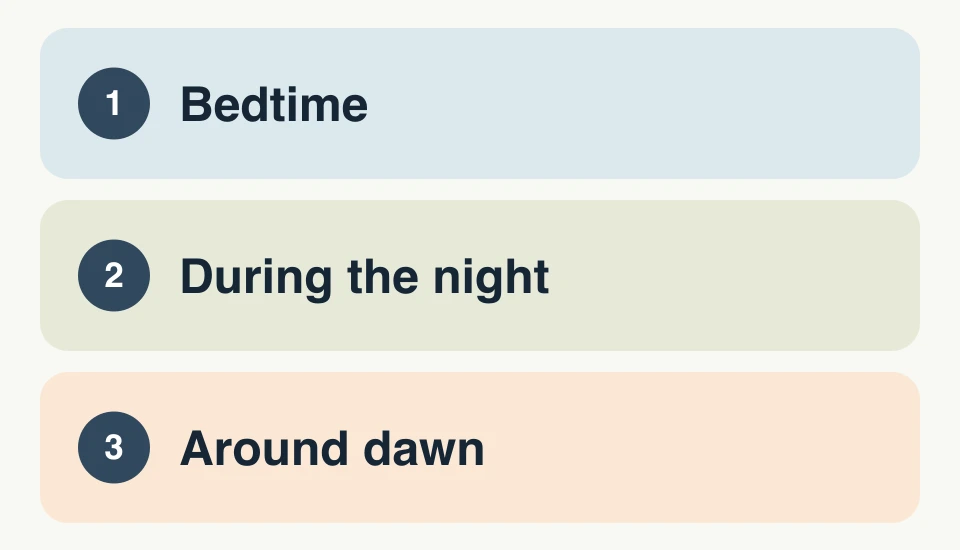
When calling starts | What to check | A possible response |
|---|---|---|
Right after a bedroom door closes | Was a usual room or person available earlier? | Provide a familiar resting spot and arrange access before bed. |
During a noisy or active stretch outside | Is your cat watching traffic or another animal? | Reduce exposure while keeping indoor routes open. |
Before the first meal | Does your cat go to their bowl or look for the feeder? | Review the planned meal schedule. |
At a new time with pacing or confusion | What else changed in daily activity? | Call your vet about the new pattern. |
Check whether the same cat is making the sound in a multi-cat home. The cat nearest your door when you get up may have followed the sound from another room. If you can identify the caller without disturbing the household, note where they were and which other animals were nearby. It matters when one cat is avoiding another on the way to water or the litter box.
Make the Immediate Check Before You Change Anything
Look for access to water, a usable litter box, and a comfortable place to rest. Consider simple barriers that can appear at night. An automatic door may have closed. A second cat might settle near the only staircase. A favorite perch may now be difficult to reach. Help the cat reach essential resources safely before you try changing their morning habits.
Take an obvious medical change seriously. A cat who usually finishes breakfast and greets you may begin calling at odd hours and staying hidden when food appears. Contact your vet and report both changes. Older cats can show changes in sleep and behavior that need assessment. The University of Pennsylvania veterinary guidance on aging cats describes why it helps to notice changes in activity, behavior, and sleep.
If your cat has moved homes or lost access to a familiar room, notice whether they settle in a spot that smells or feels familiar. Leave a clear path and familiar bedding where it is safe. A calm location helps you understand who can relax after the change, and which cat is still in need of attention.
Use a night light to make a familiar route easier to see if the room is dark and your cat otherwise navigates it comfortably. Check that it lights the floor where the cat actually walks. If a cat who knew the room begins seeming lost during the day as well, mention that to your vet instead of relying on the light alone.
Adjust One Part of the Evening
For a healthy cat who sleeps most of the day and wakes ready to play at bedtime, try a regular interactive play session before you plan to settle. Let the cat catch the toy at intervals and put away anything unsafe for unsupervised play. Finish before the cat is worn out. VCA’s overview of nighttime activity discusses setting up play, rest, and predictable feeding.
If the calling is tightly tied to breakfast, review the schedule you have already agreed on for your cat. A timed feeder may help deliver a planned portion without requiring someone to get out of bed. Confirm the amount and whether the feeder suits your cat’s diet and household before changing it. In a multi-cat household, check which cat actually reaches it. A feeder cannot fix a blocked path or a cat who needs a medical assessment.
Make one change at a time where possible. If you add evening play, close a window covering, and change breakfast together, you may get a quieter night without knowing what changed it. Start with the step that matches the event you keep seeing. Leave essential needs and prescribed care in place.
Compare the next morning with the previous one Write down the first call, the first response, and whether your cat settled. The number of minutes you stayed awake is less useful than what the cat did when the first call ended.
Decide When You Need More Help
Call your vet if nighttime calling is new, becomes frequent, or occurs with changes such as appetite, thirst, litter-box use, mobility, or awareness of familiar spaces. Take a short note on the pattern if you already have it. For example, “started last weekend, walks from the hallway into corners, keeps calling after we turn on the light” is specific enough to begin the conversation.
Once the vet has addressed medical concerns, ask about behavior support if the cat still cannot settle. Bring the routine you are actually able to follow, including feeding times, evening play, room access, and any other household animals. A realistic plan has more value than a perfect schedule that lasts one evening.
A different household schedule can also change the observation. If one person works late, ask them whether the cat is already awake when they arrive. A note that the cat was sleeping until the front door opened offers a different clue from a report that the cat was walking and calling before anyone got home. Compare nights when the arrival time changes.
Use the same cue-based approach when you compare the context of different meows.
Takeaway
Find the point in the night when calling begins, then check what changed and what your cat does next. Meet immediate needs, seek help for a new or worrying pattern, and try one practical routine adjustment for a comfortable cat. Compare the next ordinary night against what you saw before.
PetMira for iPhone
Keep ordinary care routines easy to review
Use PetMira to review your cat’s everyday care. Keep the times of meals, play, and overnight calls in your own notes.
 Track everyday care
- Keep your cat’s profile in one place
Available on the App Store
Download iOS App