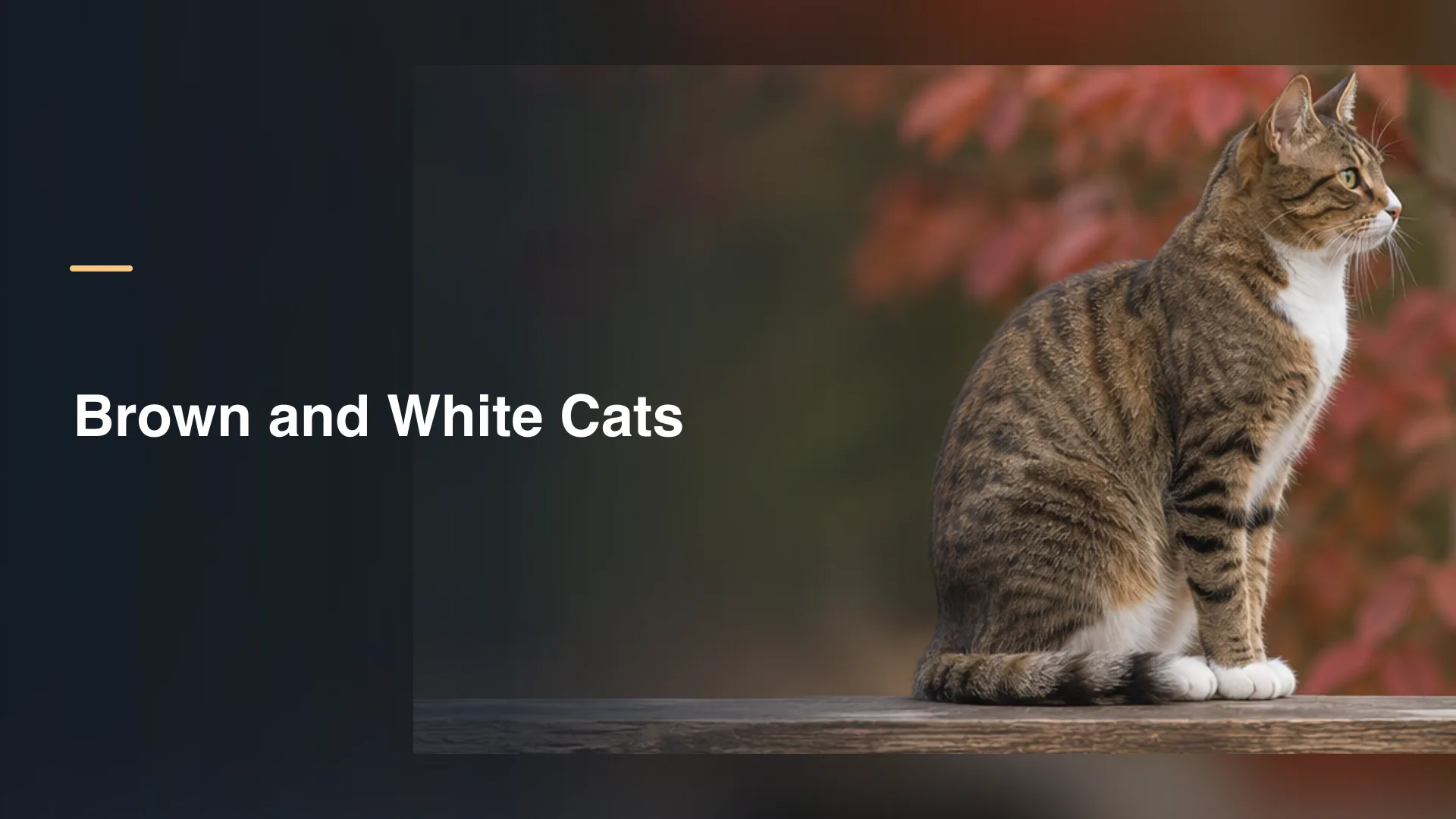
Brown and white cats can belong to several breeds, but “brown” can describe very different coats. A brown tabby with white has darker markings on a warmer background. A chocolate and white cat has genuinely brown solid-colored areas. A seal-point cat with white has dark extremities against a lighter body. Compare those categories before choosing a breed list.
This distinction changes the answer. Maine Coons and American Shorthairs can have brown tabby and white coats, while chocolate and white is recognized in breeds such as the British Shorthair and Persian. A seal bicolor Ragdoll is another appearance again. None of these combinations proves the ancestry of an individual cat.
Three different meanings of brown and white
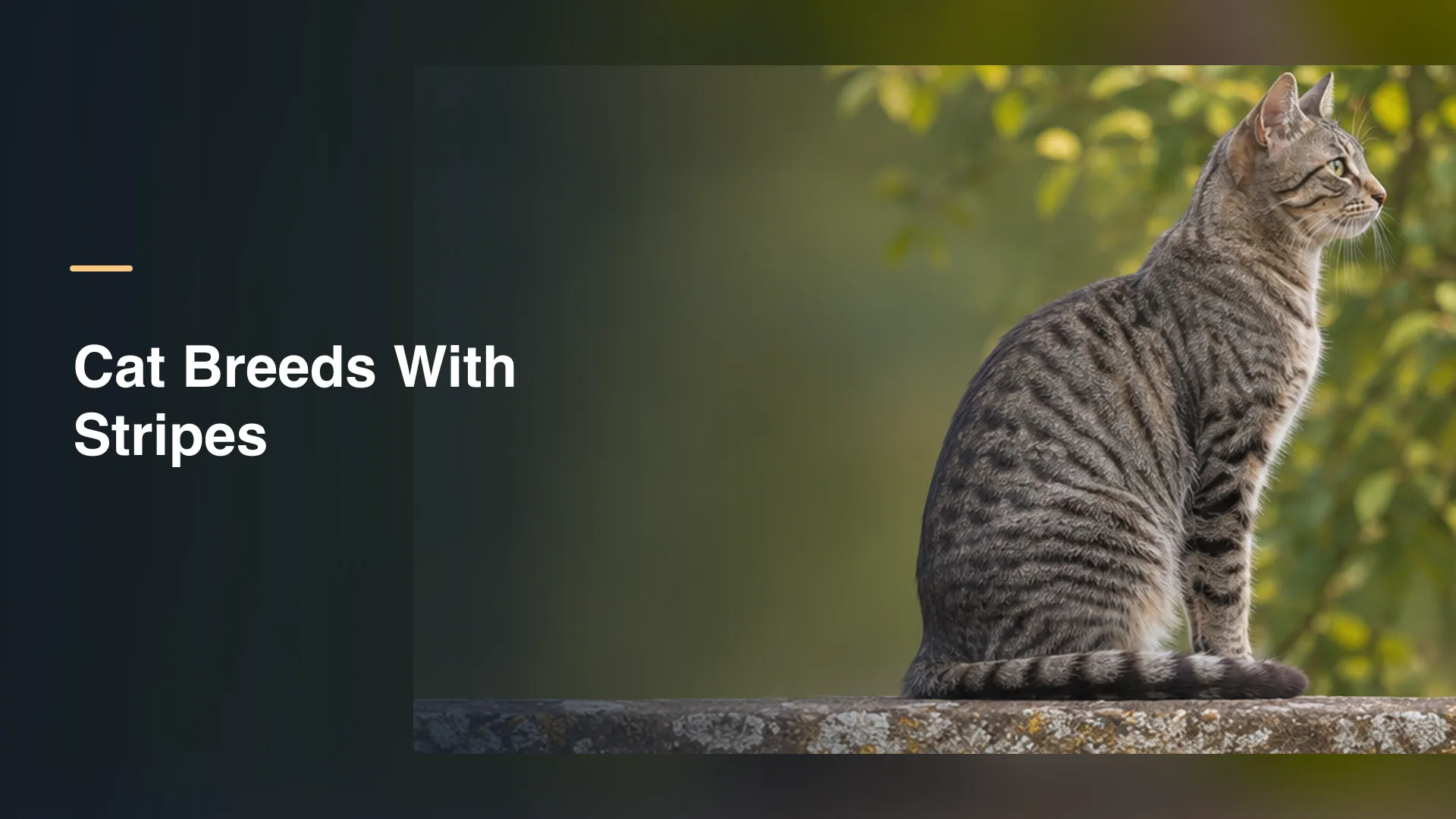
Start with the colored areas rather than the white patches. Look for a repeated pattern across the side, shoulder, and tail. Clear darker lines or swirls suggest a tabby arrangement. If the colored areas appear consistently brown without that contrasting pattern, solid chocolate becomes a different comparison to investigate.
Then ask where the darkest color is concentrated. Dark ears, face, tail, and legs against a noticeably lighter body suggest a pointed arrangement. White paws or a white facial area can be added to that pattern. The result may look brown and white in an everyday photograph without being a solid chocolate bicolor coat.
What you can see | Useful description to investigate | Why the distinction matters | Verified breed examples |
|---|---|---|---|
Dark markings over warmer body color, plus white | Brown tabby and white | The brown appearance includes a patterned background | American Shorthair; Maine Coon |
Fairly uniform brown colored areas, plus white | Chocolate and white | Solid brown is different from brown tabby | British Shorthair; Persian |
Dark extremities, lighter body, and white areas | Seal point with white | The darkness follows a pointed distribution | Seal bicolor Ragdoll |
Only one warm-looking photograph | Brown-looking coat; subtype uncertain | Lighting may not reveal the true color category | No breed comparison until the coat is clearer |
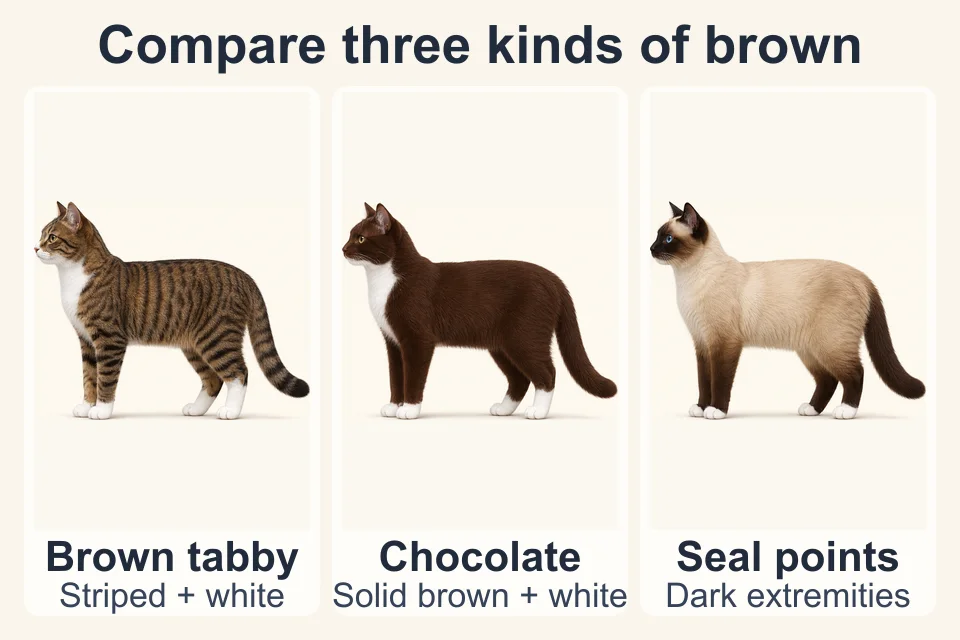
You can keep the initial description broad while investigating. A coat label should summarize an observation, not pretend to be a genetic test. If the image is too dark to show stripes, write that the pattern is unclear rather than treating the missing detail as evidence of a solid coat.
Brown tabby and white: American Shorthair
CFA uses a brown tabby and white American Shorthair as an example in its color-class explanation. This confirms that the combination is recognized; it does not tell you how common it is among all cats or establish the breed of a cat with similar markings.
The American Shorthair name also needs care. It identifies a pedigreed breed, whereas domestic shorthair is a broader description. A shorthaired brown tabby with white feet can be described accurately without selecting a particular breed. If a breed claim accompanies the cat, the useful follow-up is to check what supports that claim.
For example, imagine a shorthaired cat with a warm brown back, clearly darker side stripes, and white feet. “Brown tabby and white” is a useful first label because it captures both the patterned areas and the separate white. The same photograph should not be placed in the solid chocolate category just because its overall color looks brown. Keep the visible stripes in the description when you compare it with an American Shorthair example. To compare narrow lines with broad swirls and the breeds that can show them, explore striped cat breeds and tabby patterns.
Brown tabby and white: Maine Coon
The CFA Maine Coon standard includes brown tabby and white. It also excludes chocolate coloring from its accepted colors. This is a useful example of why a list headed “brown cats” can become misleading: brown tabby and solid chocolate are not interchangeable terms in a breed standard.
A longhaired brown tabby with a white chest may invite a Maine Coon comparison, but long fur and those colors occur outside the breed too. Compare the coat’s overall texture and the cat’s structure, and keep the family background in view. Do not let a large fluffy tail carry the entire identification.
The distinction remains useful even for a cat already documented as a Maine Coon. If someone describes its coat as chocolate, they may simply mean that the tabby background looks warm brown. Checking the actual markings can resolve the wording without inventing a new breed or assuming the cat’s documents must be wrong.
Chocolate and white: British Shorthair and Persian
The CFA British Shorthair standard distinguishes chocolate from chocolate tabby and includes bicolor varieties. The breed is therefore a relevant comparison for a genuinely chocolate and white coat. Its substantial build and dense short fur are additional breed features, rather than consequences of the brown color.
Persians also have a recognized chocolate and white bicolor description in the CFA Persian standard. This gives a longhaired comparison without turning every fluffy brown and white cat into a Persian. The coat color is allowed within the breed; allowance is not identification.
Suppose instead that the colored areas look evenly chocolate brown and the white forms clear separate patches. Compare a short, dense coat with the British Shorthair example and a long coat with the Persian example. This organizes the search without treating either result as a diagnosis of ancestry. If a second daylight view reveals distinct darker stripes in the brown areas, return to the tabby category rather than retaining the original solid-color label.
Seal with white: why a Ragdoll is a separate comparison
Ragdolls have pointed coats, and the CFA description includes seal and other point colors together with several pattern arrangements. A seal bicolor Ragdoll can show dark brown-looking areas and white, but the relationship between the dark extremities and lighter body is central to that appearance.
That makes “Ragdoll” a poor entry in an undifferentiated list of solid chocolate and white cats. The CFA Ragdoll profile provides the relevant pointed-coat context. If your cat’s sides are uniformly brown with white underneath, a pointed example may not be the most useful visual comparison, even if the face looks similar.
Do not use a white facial V alone as a Ragdoll test. A white shape is one part of the coat, and similar shapes can appear on unrelated cats. Look at the whole distribution of color and any documented background before treating the resemblance as a breed claim.
Do not confuse recognition with rarity
A breed standard answers which appearances an organization recognizes for that breed. It does not provide a population survey of household cats. A color being accepted is therefore not evidence that it is common, and a lengthy list of breeds that allow it does not tell you your cat’s most likely ancestry.
The same caution applies to claims that all brown and white cats are rare. The phrase combines brown tabbies, solid chocolate coats, and pointed cats, which are not one useful comparison group. Ask what exact color category, breed, and population a rarity claim refers to before repeating it.
Use a pattern sentence before a breed sentence Try “brown tabby with a white chest and paws” or “uniform brown patches on white, with no clear stripes in this view.” Then record any breed suggestion separately. If the color is uncertain, preserve that uncertainty instead of filling the gap with a breed name.
Give an unknown cat an accurate description
For a cat without documented ancestry, domestic shorthair or domestic longhair plus a clear coat description may be the best available label. It is not an inferior answer. It tells a shelter, veterinary team, or prospective adopter what is known without assigning an unverified family tree.
If you need to investigate further, our cat breed identification guide explains how appearance and records contribute different evidence. Finish the coat description first, then use that separate process for the ancestry question rather than repeatedly swapping among brown-cat photographs.
Make the brown category precise
Brown tabby and white, chocolate and white, and seal point with white lead to different comparisons. Naming the visible arrangement clearly gives you a better starting point than a generic breed list, while leaving ancestry claims tied to evidence beyond color.
Explore with PetMira
Start with your cat’s coat description
Use a well-lit photo in PetMira to explore possible cat breeds. Keep your brown tabby, chocolate, or pointed-coat observations beside the suggestions as you compare them.
 Take or upload a well-lit photo
- Explore possible breed matches
Available on iPhone. Photo suggestions are not proof of pedigree or ancestry.
Download iOS App