A cat can make a sound that people call crying, and a cat's eyes can water. Start by checking which one you noticed. A long, plaintive call is a vocalization. A damp mark beneath an eye is an eye symptom to observe. They can happen together, but neither tells you on its own that the cat is sad. If your cat is struggling to breathe, seek emergency veterinary care now. If your cat holds an eye shut, contact your vet promptly for advice about an exam.
Can Cats Cry Tears When They Are Sad?
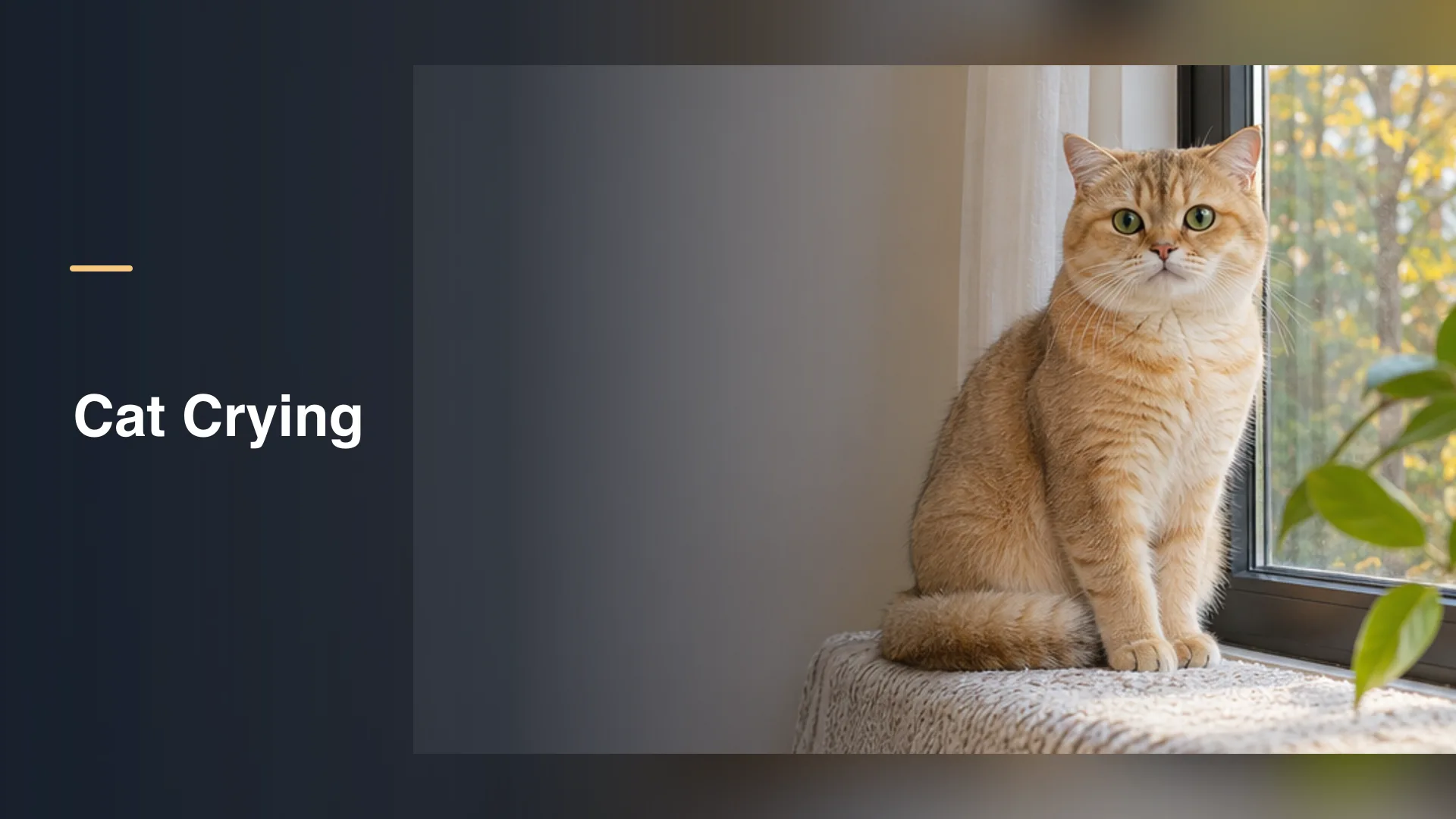
Tears are part of the eye's normal protection. Cats Protection explains that cats do not shed emotional tears in the way people do. A wet eye can have several causes, from an irritant to a problem that needs treatment. You can still take your cat's emotions seriously. Look at whether the cat is hiding, avoiding a familiar activity, eating differently, or taking longer than usual to settle. Those changes are more useful than trying to read a wet cheek as a facial expression.
Imagine finding your cat tucked under a bed after visitors leave. If the eyes are clear and the cat walks out to eat once the house quiets, write down the timing and what helped. If one eye is wet, the cat keeps blinking it, and they turn away from light or touch, describe that as an eye change when you call. A stressful afternoon and an uncomfortable eye can occur on the same day. One explanation should not cancel the other.
What to Check if Your Cat's Eye Is Watering
Look from where your cat is comfortable in ordinary light. Is it one eye or both? Is the hair only a little damp, or is fluid collecting again shortly after you noticed it? Is the eye open to the same degree as the other side? Repeated blinking, squinting, redness, swelling, or visible discharge are useful details. The Cornell Feline Health Center describes these signs in its conjunctivitis guide. Similar signs can occur with other eye conditions, so the checklist helps you communicate observations; it does not provide a diagnosis.
An eye can stay wet after the cat's face has dried elsewhere. Compare the inner corners and the skin below each eye without touching the surface or trying to hold the eyelids apart. During routine care, a clear photo from a comfortable distance can show what each eye normally looks like. PetMira for iPhone has a daily care photo log for eyes, so you can keep an ordinary reference before there is a concern. If the cat rubs their face or cannot keep the eye open, contact your vet rather than spending time getting a better image. Tell the clinic about an apparent injury, cloudiness, or sudden change in how the cat navigates.
Older staining and new wetness are also different observations. Some cats have marks in the fur that you see every day. Record when the amount of fluid, color, or comfort changed. It is fine to say you noticed the stain only today and do not know how long it has been there. A good history separates what you saw from what you suspect. Avoid using leftover or human eye drops unless the veterinarian has told you to use that medication for this episode.
What to Check if Your Cat Is Calling
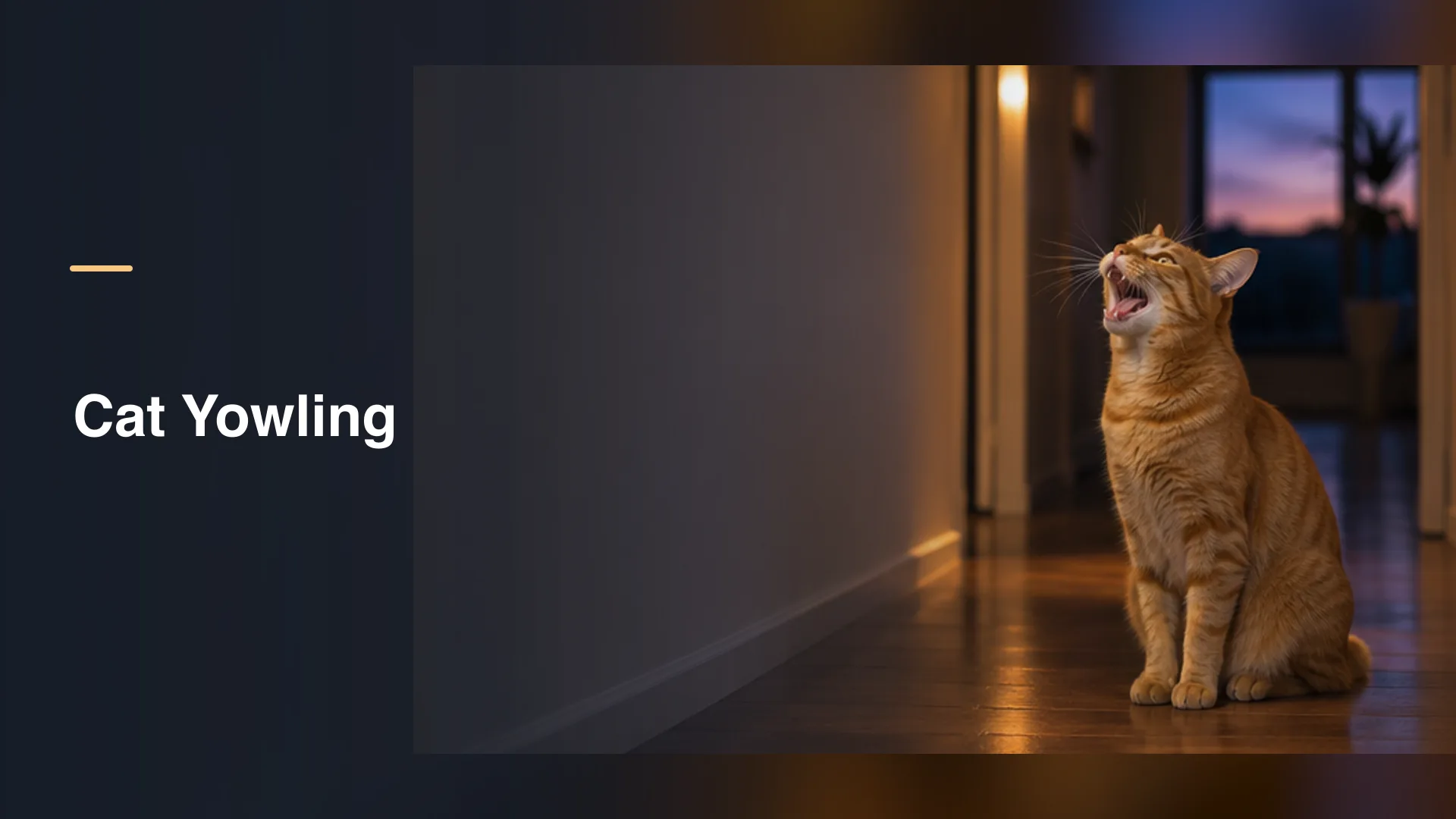
Start with the event just before you heard the call. A cat that approaches a closed door, calls twice, and walks off when the door opens gives you a concrete lead. An animal that calls out while jumping down, briefly favors one leg, and later avoids the same chair gives you a different lead. The sound can be equally sad to human ears. In the second case, note the movement associated with it and contact your vet if the behavior is new or repeats. If the call stretches or shifts in pitch, use its duration and pattern to tell whether the sound fits a yowl.
Check for normal necessities and recent changes. Is there accessible water? Can your cat reach a clean litter box without passing another pet? Did meal timing change, or did you move a familiar bed? A new cat in the house can alter routes quietly even if you never see a fight. For example, one cat waiting outside a narrow doorway may make another cat turn back. Giving each cat a separate route or resource can make the situation easier to observe.
If a loud call is the main feature, listen to whether the same sound keeps being repeated or whether it happened once. Notice whether your cat stays involved in the activity or stops and hides. Appetite, litter box output, movement, and willingness to interact help you decide whether the call belongs to an ordinary routine. The PetMira guide to cat noises can help you describe what you heard. No sound label should override an obvious change in comfort.
In a multi-cat home, attach the observation to the right cat. A damp patch on the shared cushion tells you little if you cannot see who left it. Watch which cat blinks or rubs when they walk away, and separate the observation from a guess about who called. If two cats are sneezing or showing eye changes, tell your vet that as well. A short record per cat is easier for another caregiver to use than a list of household symptoms.
How to Respond Without Guessing
For a familiar call with a clear everyday trigger, respond to the practical need. Restore access, give a little space, or return to the usual feeding routine. See if the cat settles in the way you would expect. For a new call paired with a drop in appetite, repeated hiding, vomiting, or a change in litter box use, call your veterinary clinic and share both observations. A cat having difficulty breathing, collapsing, or repeatedly trying to urinate with little or no output needs urgent attention.
You can keep a simple record of the time, what happened, which eye was affected if applicable, and whether the cat went back to their normal routine. One sentence is enough: “Left eye wet before dinner; blinking often; still walked normally and ate.” Another record could say, “Called from the hallway after the door closed; settled as soon as she could get back to her bed.” Specific notes make it easier to tell whether an apparent pattern actually repeats.
What you noticed | Detail to check | Next step |
|---|---|---|
An eye looks wet | One side or both, blinking, rubbing, redness | Contact your vet promptly for pain, squinting, or an eye held shut |
Calling near a familiar spot | What changes when access is restored | Meet the basic need and check for normal recovery |
Wet eye and unusual call | Record the eye and behavior as separate observations | Tell the clinic both, especially if appetite or activity changed |
Struggling to breathe, or repeatedly straining with little or no urine | Act on the sign you can already see | Seek emergency veterinary care now |
One clear observation Write “right eye half closed” or “called once when stepping down” instead of “looked sad.” The wording helps another person check the same thing.
Takeaway
Treat visible tears and audible cries as two separate clues. Watery or uncomfortable eyes deserve eye-specific attention. For calling, look at what happened immediately beforehand and whether your cat returns to their usual behavior. Bring both observations to your vet whenever the change is new or concerning.
Daily care
Keep a record of everyday eye changes
PetMira for iPhone lets you log eye photos as part of ordinary care. Keep a reference when your cat is comfortable.
 Log everyday eye photos
- Keep your cat’s care profile
Available on the App Store
Download iOS App