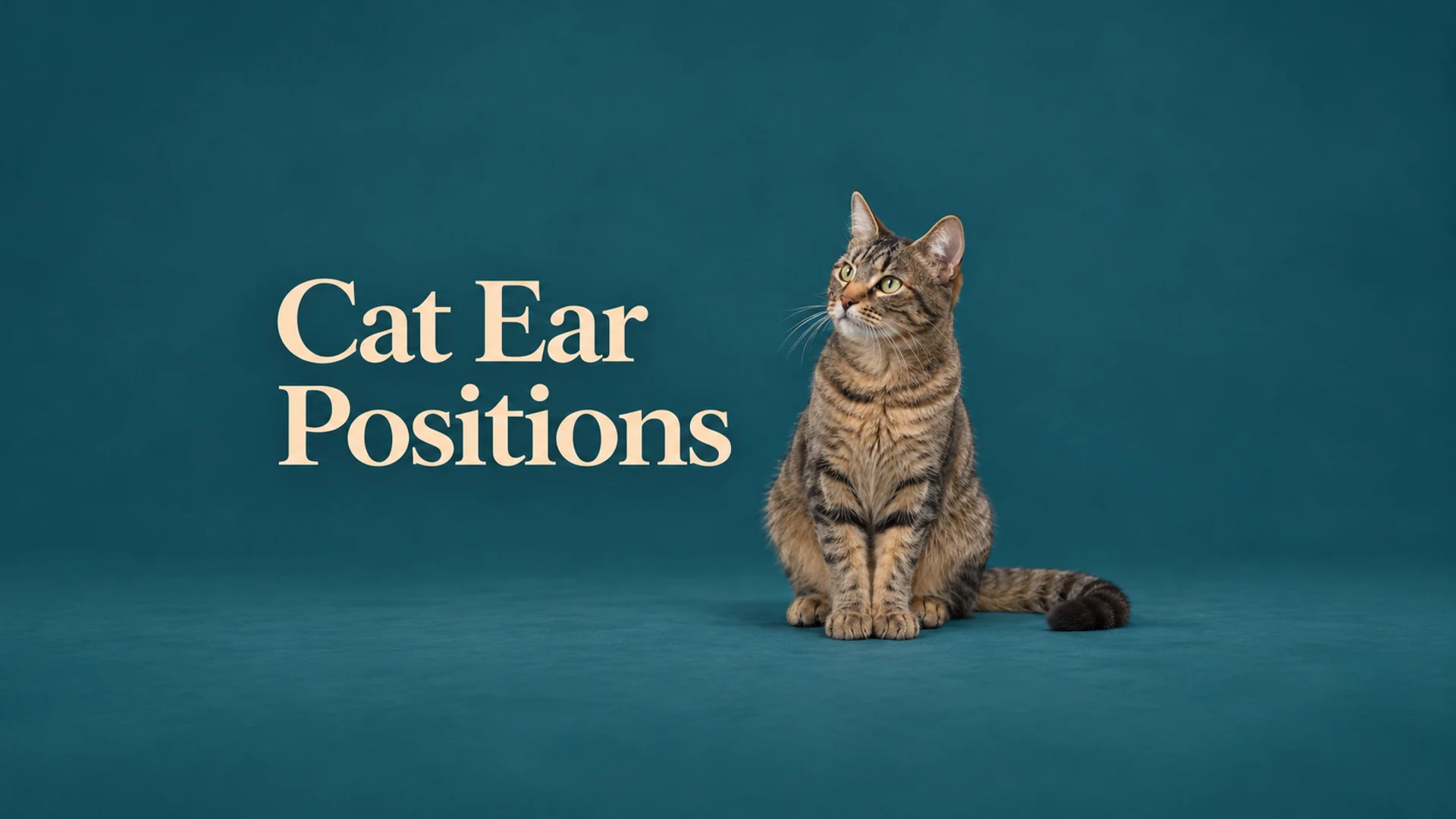
Cat ear positions tell you where your cat is directing attention and can help you notice discomfort before an interaction escalates. Forward or naturally upright ears often accompany interest or relaxed attention. Ears rotating sideways or flattening back are a reason to check the whole cat and pause your approach. Ears that point in different directions may simply be following different sounds. No single position gives you a reliable emotional diagnosis.
The most useful comparison is with your own cat at rest. Notice how the ears sit when the cat is comfortable and awake, without calling, touching, or making a noise to produce a reaction. Then watch what changes when something happens in the room. Direction, duration, and the rest of the body will tell you more than naming a pose from a photograph.
Look at the opening, not just the ear tip
An ear that looks pointed from the front can be facing partly sideways. Watch the opening of the ear and its angle relative to the face. Both ears may turn toward a sound while the head stays almost still, or one may remain forward as the other swivels behind. That movement helps a cat gather information; it is not automatically a sign of conflict or indecision.
Use a comfortable viewing distance. You do not need to move around your cat's head for a perfect angle or hold an ear upright. A cat with folded, curled, injured, or naturally unusual ears may not match a generic illustrated chart. Compare visible changes within that cat's ordinary range, and rely more on movement, posture, and choices when the ear opening is hard to see.
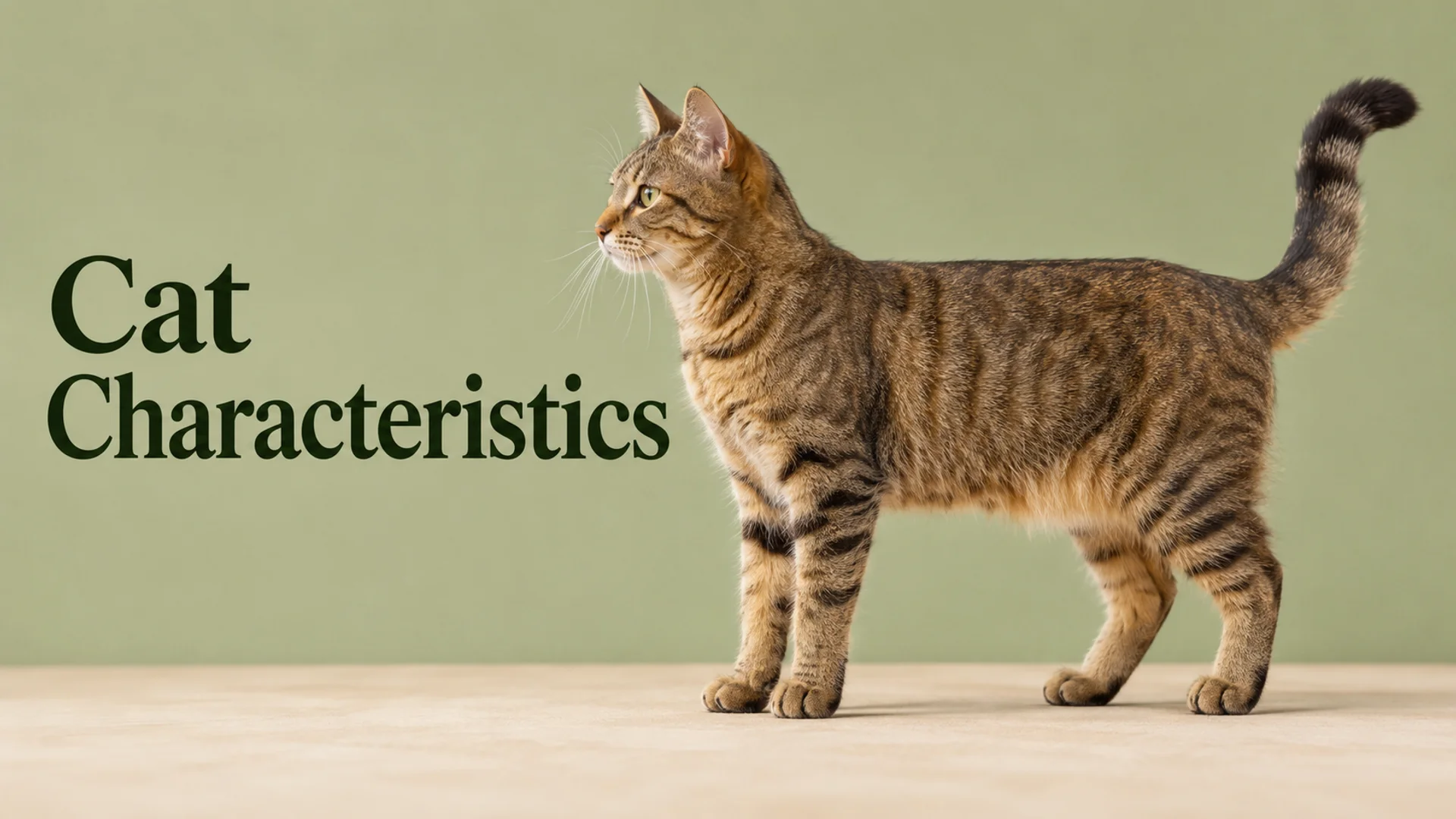
Physical ear shape and momentary ear direction answer different questions. An ear's size or outline can help describe appearance, while an ear turning away during a stroke is an observation about that encounter. The cat characteristics guide covers visible features without turning them into personality or ancestry claims.
Upright, forward, and independently swiveling ears
Upright ears on a cat walking easily through a familiar room can fit ordinary alertness. Ears angled forward while a cat tracks a toy can fit concentrated interest. The same forward direction does not mean the cat wants a person to touch them. Check what the cat is looking at and whether their path is toward you or toward something beyond you.
Consider a cat resting near a window when a cupboard opens behind them. One ear turns toward the cupboard while the other remains directed at the window. If the body stays loose and the cat returns to resting, the ear movement may have been a brief response to sound. There is no need to investigate by repeating the noise or touching the ear.
A cat who instead raises their head, stiffens, and fixes both ears toward a sound has changed more than ear direction. Give them time to assess it, particularly if a visitor or another animal is nearby. You can reduce the noise or leave a clear route away. Calling repeatedly or reaching into the cat's space adds another thing to monitor when they are already concentrating.
When caregivers disagree about a position, compare the same event rather than competing labels. “Both ears turned toward the hallway when the door opened” is different from “both ears flattened while being held.” Write down the trigger and the next movement. That distinction helps the household choose whether to leave normal listening alone or change how someone handles the cat.
Sideways ears are a cue to reduce pressure
People often call sideways ears “airplane ears.” The label describes an outline, not a single emotion. Ears moving outward and flattening during handling can accompany discomfort, tension, or a wish for more space. Pause the action that may be contributing and see what the cat chooses next. Do not wait for the ears to become completely flat before respecting the change.
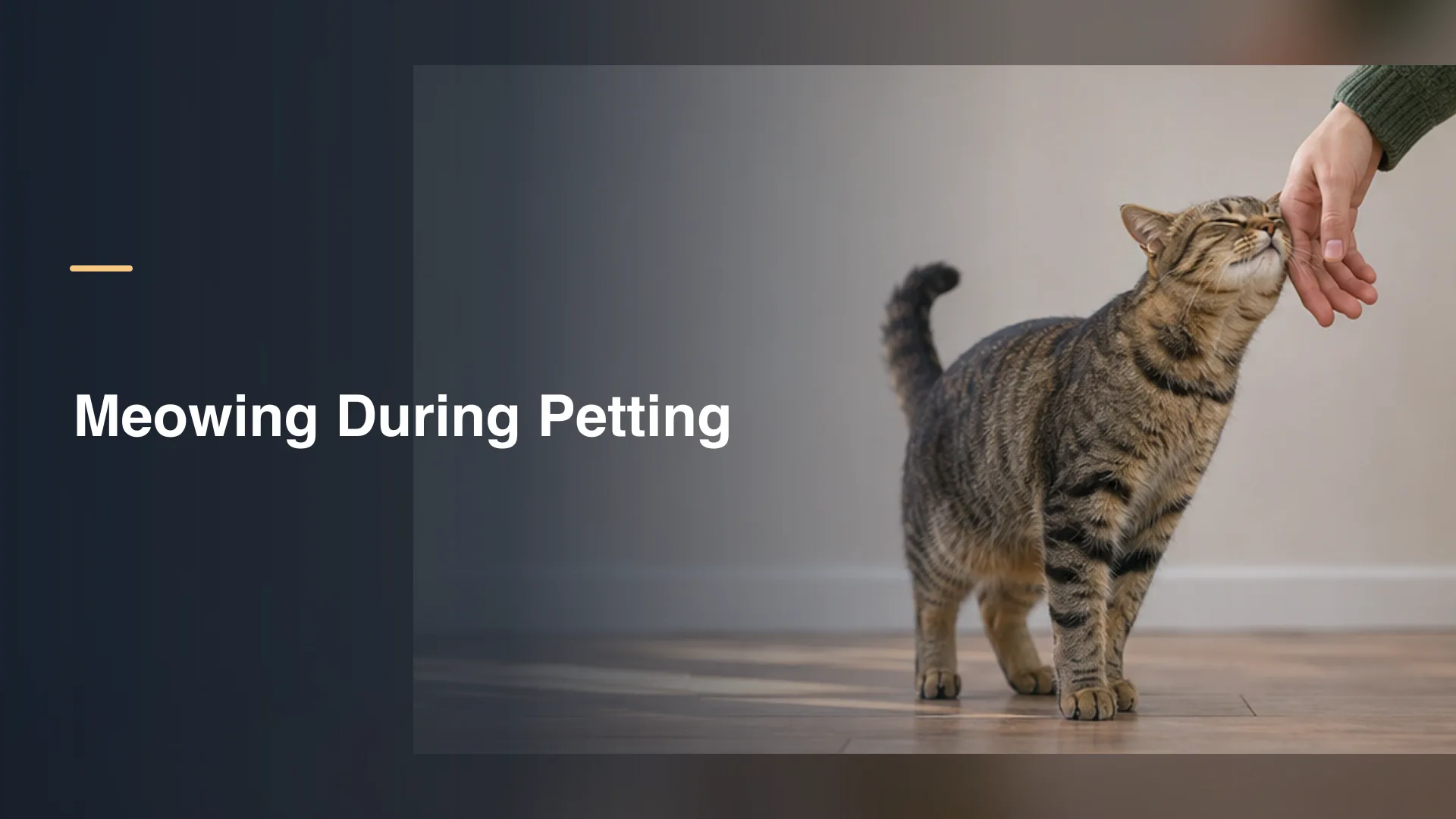
During petting, notice whether the ear shift arrives with turning toward the hand, skin movement, a tightening body, or a sweeping tail. Stop stroking and let the cat leave if they want to. If the cat remains on the cushion, quiet company may be enough. Our guide to meowing during petting adds the timing of a sound to that touch-specific decision.
A sideways position in a photograph can miss the transition that matters. Your cat may have just turned an ear toward a passing sound, or they may be holding both ears outward while a guest leans over them. Compare what happened before and after the image. If the cat starts to relax when the person backs away, keep that extra distance instead of recreating the encounter for another photo.
Ear change | Other information to check | Sensible next step |
|---|---|---|
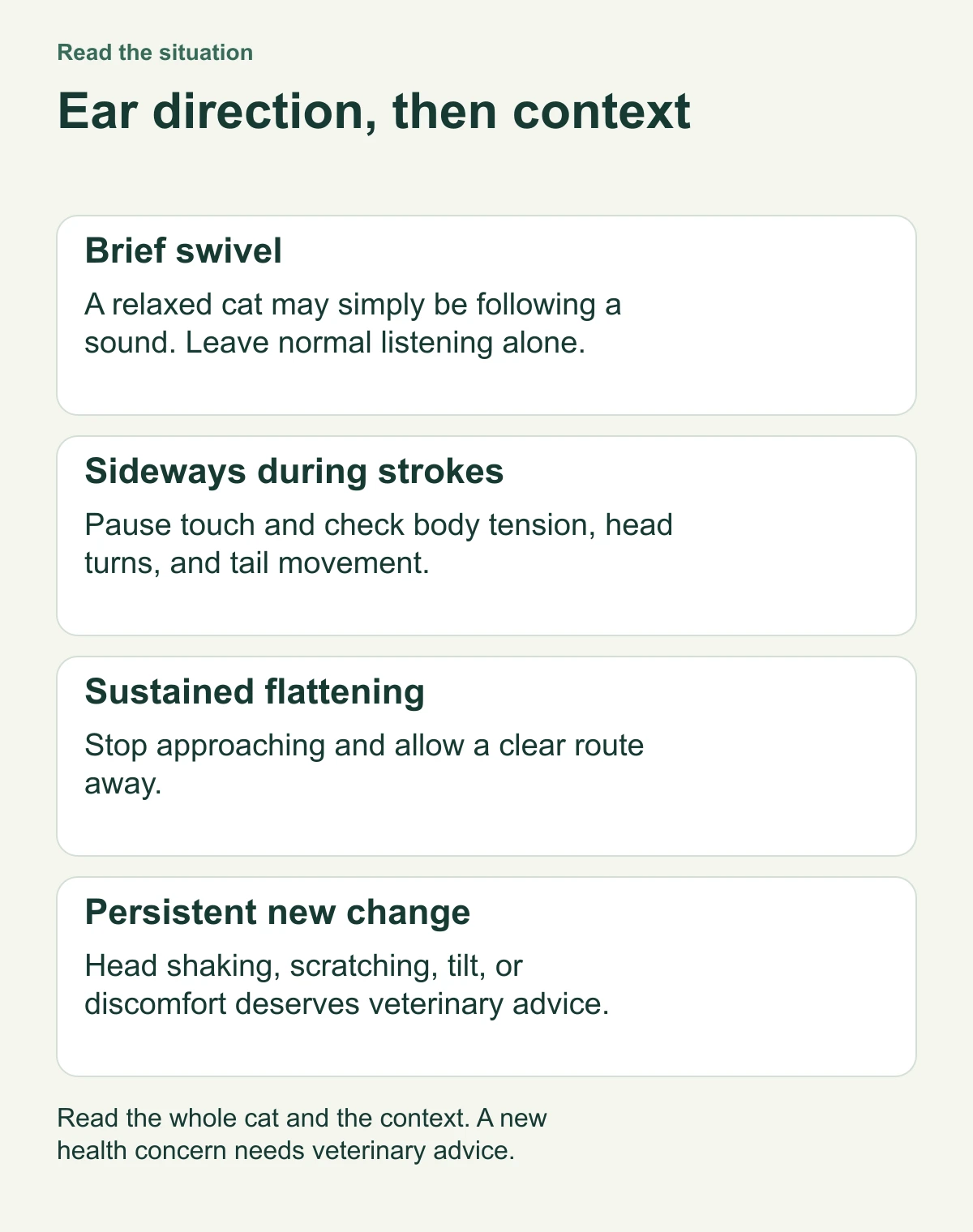
One ear briefly turns | Sound source and loose posture | Allow normal listening |
Both rotate sideways during touch | Tension, turning, or tail movement | End the strokes and wait |
Ears remain flattened with retreat | Clear escape route and nearby animals | Increase distance |
New persistent asymmetry or head tilt | Scratching, shaking, or altered balance | Contact your veterinarian |
Flattened ears: make room rather than testing tolerance
Ears held close against the head can occur in a highly defensive or uncomfortable encounter. Do not put a hand near the face to find out whether the cat is “really angry.” Stop approaching, keep children and other pets away, and give the cat access to a quiet, familiar place. If you need to separate animals, avoid reaching between them; use distance and a safe barrier when possible.
Pain and fear can produce overlapping facial changes, so an ear position cannot tell you which is responsible. A cat who suddenly resists familiar touch or withdraws from normal activities needs more than an interaction adjustment. Contact your vet about a new or repeated change, especially when eating, movement, or grooming has also changed. Observe what you already can without pressing or handling the ears.
Do not try to turn an ear-position chart into a home pain score. Formal assessment tools have specific instructions and limitations; a cropped ear photograph does not reproduce a clinical assessment. Describe the visible change and the circumstances instead. For example, “left ear held differently through the afternoon, with repeated head shaking” gives a professional more useful information than a confident label such as unhappy or stubborn.
Separate communication from a possible ear problem
Repeated scratching, head shaking, discharge, odor, or a persistent head tilt deserve veterinary advice. These signs do not identify the cause, and a cat can still approach you or purr while having a problem. Do not put a swab into the ear canal or use leftover drops to see whether the position improves. Let your vet advise you about examination and treatment.
If a visible outer-ear change is part of the concern and your cat can be photographed comfortably, PetMira's ear image log can keep comparable pictures in their digital profile. Photograph only what is visible without manipulation, and add the timing in your own notes. A picture cannot show the ear canal fully or establish a diagnosis. Getting an image should never delay the veterinary contact you already know is needed.
What to remember about cat ears
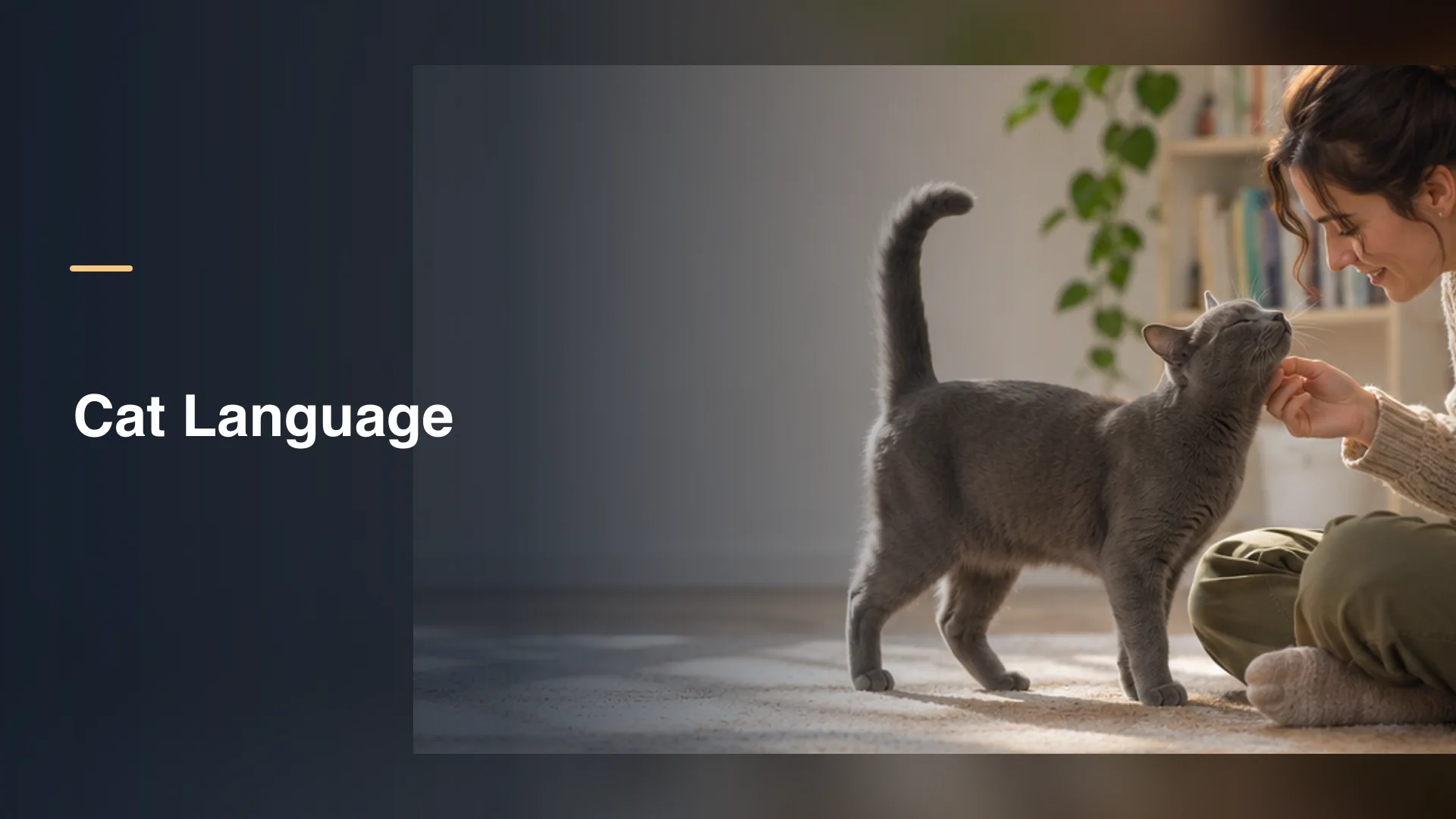
Use ear direction to notice attention and changing comfort, then confirm with posture, context, and what your cat does next. Brief swiveling can be ordinary listening, while sustained flattening calls for less pressure and more space. For the bigger picture, our cat language guide connects those ear changes with the rest of the encounter.
PetMira for iPhone
Keep outer-ear observations together
Keep comparable photos of visible ear changes in PetMira's ear image log. Capture only what is comfortable to see; a photo cannot examine an ear canal or diagnose a problem.
 A digital profile for your cat
- Photo-based care logs
- AI care questions in one place
Available on the App Store. Guidance supports observation and does not replace veterinary care.
Download iOS App