To teach a puppy to sit, reward the moment their rear reaches the floor, then build a clear cue around that voluntary movement. You can guide the movement with a small food lure or capture a sit the puppy offers naturally. Fade the visible food, reward while the puppy is still seated and give them a clear opportunity to stand again. Do not push their body into position.
Practice on a non-slip surface with a puppy who can move comfortably. If sitting appears painful, uneven or suddenly difficult, ask your veterinarian rather than repeating the exercise to correct the posture. A brief training lesson should not be used to test an injury or make a worried puppy endure a busy situation.
Choose a comfortable starting point
Use a quiet room with space for the puppy to stand, sit and turn without bumping into furniture. Keep suitable small rewards ready and within the puppy’s feeding plan. You should be able to deliver a reward without rummaging through a pocket after the puppy has already stood up. A few easy repetitions are more useful than a long session that ends with frustration.
Decide what you are marking: the rear reaching the floor while the front feet remain on the ground. At this stage, you are not asking for a long stay or a precise show-ring posture. Watch the puppy’s normal comfortable sit so you do not mistake individual shape for disobedience. A new change from that familiar movement is a veterinary question.
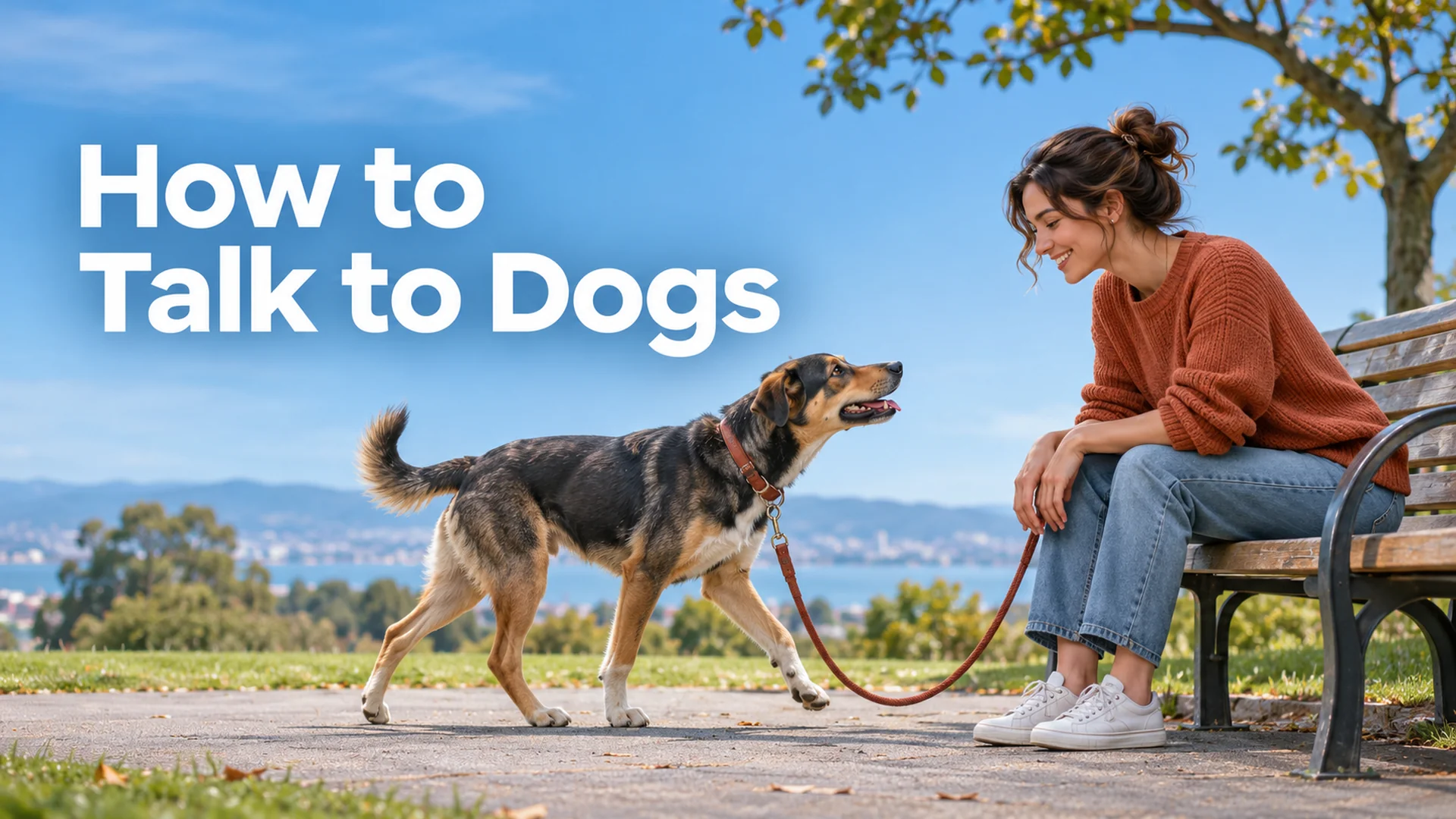
Choose a short marker, such as “yes,” that you can follow promptly with a reward. Keep the household’s cue word consistent. Our guide to talking to dogs explains those communication foundations; this page takes the specific sit from first movement through reward, release and ordinary practice.
Guide a sit with a small food movement
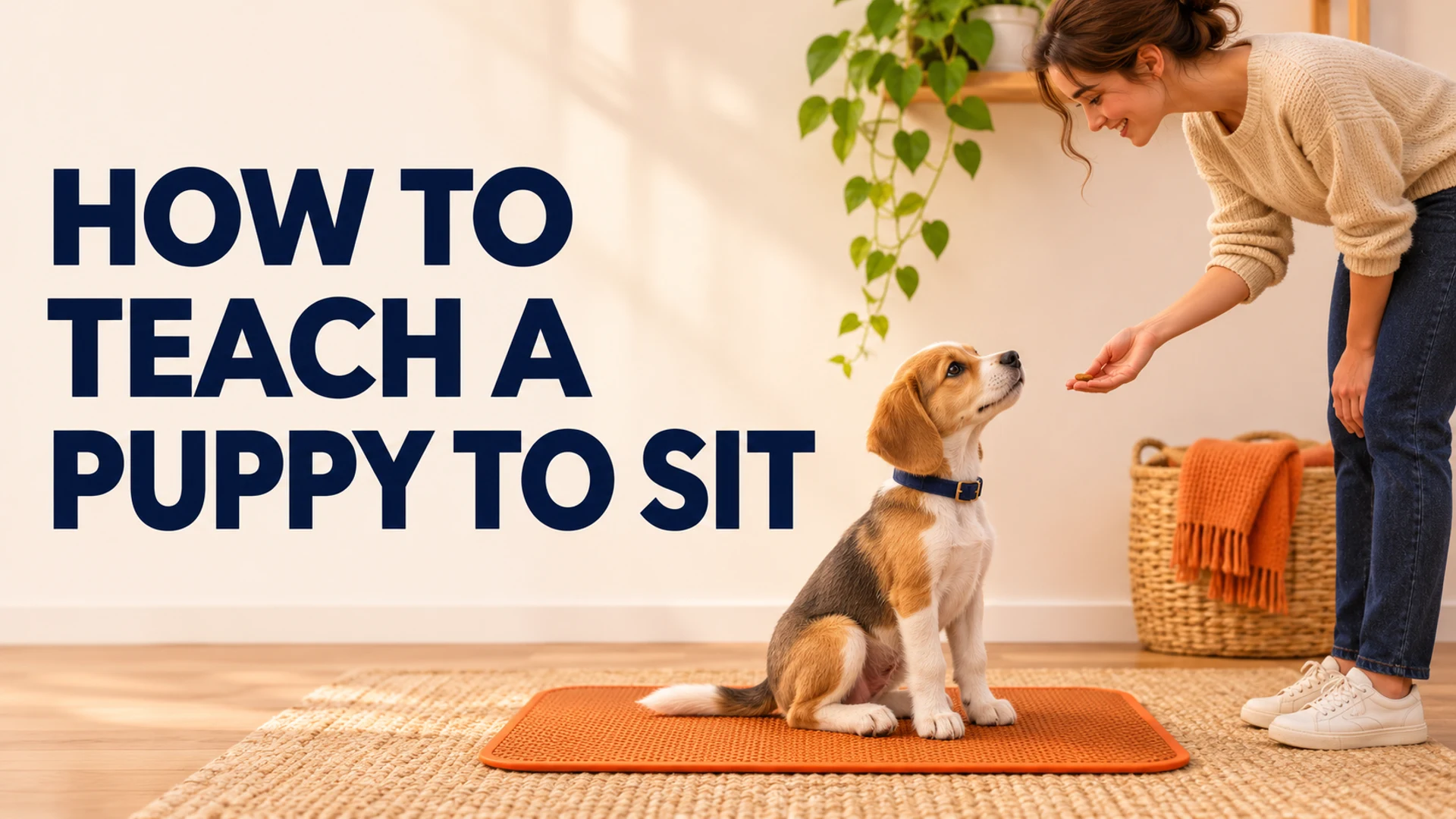
Begin with the puppy standing near you. Hold a small treat close enough to the nose that they can follow it without jumping, then move it slowly a little upward and back. As the nose follows, watch for the rear to lower. Mark the instant the puppy sits and deliver the reward while they are in that position.
Keep the movement small. Raising food high above the head can invite jumping, and moving too far backward may encourage the puppy to walk away instead. If the lure is not producing a comfortable sit, lower it, reset the puppy and try a smaller arc. Do not press on the hips, pull upward on the collar or physically fold the puppy into the shape.
After a few easy lured attempts, make the same motion with an empty hand and reward from your other hand when the puppy sits. This separates the signal from a visible piece of food. If the empty hand is confusing, make the next demonstration clearer and easier rather than assuming the puppy is refusing to work without payment.
Capture a natural sit if luring is awkward
Capturing means noticing and rewarding a sit the puppy chooses without being guided. Stand or sit quietly in a comfortable place, wait for a natural sit, mark it and deliver a reward while the puppy remains seated. Let them stand again before waiting for another. This can suit a puppy who becomes too excited by a food hand moving near the face.
Avoid staring intensely or blocking the puppy until they produce a sit. Choose an ordinary calm moment rather than withholding something urgent while waiting for the right posture. At first, the timing may be easier than the lure: your only job is to notice the seated moment and reward it before it has ended.
Keep these two methods clear in your own plan. With luring, your hand helps produce the movement; with capturing, you reward a movement that occurred independently. Either can teach the same cue. You do not need to alternate both methods in every repetition or invent a more complicated position because one attempt was untidy.
Turn the movement into a clear cue
When the puppy readily follows the empty-hand signal, say “sit” just before you give that signal. Pause briefly to let the word become noticeable, then help with the familiar hand movement if needed. Mark and reward the seated response. Over time, the word may be enough; keep rewarding useful attempts while you make the help smaller.
For captured sits, begin adding the word when you can predict the puppy is about to sit. Avoid chanting it while the puppy is walking around doing something else. A cue becomes clearer when it belongs to a movement the puppy can perform, not when the word is repeated more forcefully or more often.
Use a simple release word or invitation to move after the reward. You can step aside or invite the puppy to stand for another repetition. If you want a little duration later, reward again while they remain seated before releasing. Add that small wait separately from a new location or distraction, and avoid turning the first lesson into an unannounced stay exercise.
Fix jumping, backing up and popping up
For a puppy who jumps at the food, lower the hand and move it less. Deliver the reward where the head can stay comfortable instead of asking the puppy to stretch upward. If excitement keeps rising, stop for a calmer opportunity. More speed, louder praise or a higher hand is unlikely to make that particular setup easier.
If the puppy backs away, look at the hand path and your own posture. You may be leaning over them or moving the lure beyond comfortable reach. Straighten up, leave more space and reset with a smaller motion. Capturing a natural sit is another option when the puppy repeatedly steps away from the lure.
If the puppy sits and immediately stands, check when and where the reward arrives. Searching for food after the marker may leave a long gap, and holding it out in front can draw the puppy back onto their feet. Prepare the reward and deliver it close enough to the seated puppy. Start with the brief sit you can reward before asking for longer.
A puppy who suddenly avoids sitting needs a different response from a puppy confused by a new hand signal. Stop practice if movement looks uncomfortable, the puppy repeatedly shifts away from one side or ordinary behavior has changed. Tell your vet what you observed. Do not keep requesting sits to collect more examples of a possible painful movement.
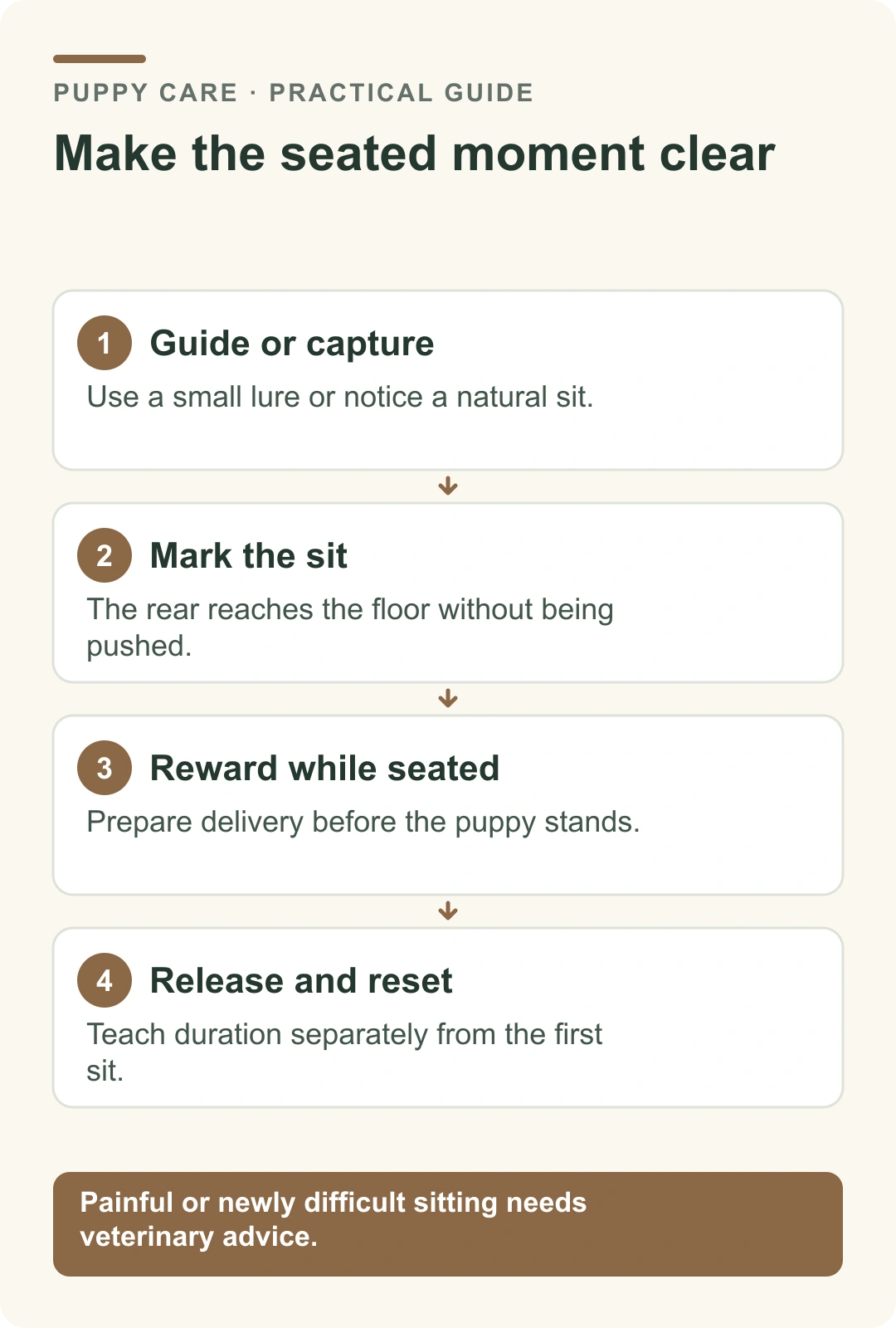
Mark the sit you actually saw Reward while the puppy is seated, then release. If the reward arrives only after they stand, change your delivery before adding a longer wait or repeating the cue.
Practice in ordinary life without making every need a test
Once the movement is easy, try the same short lesson elsewhere in the home with fewer expectations at first. A puppy who sits in the kitchen may need help in a hallway with new sounds. Reduce the wait and use the familiar signal, then reward. Generalizing a cue means teaching it in another context rather than proving the puppy should already know it everywhere.
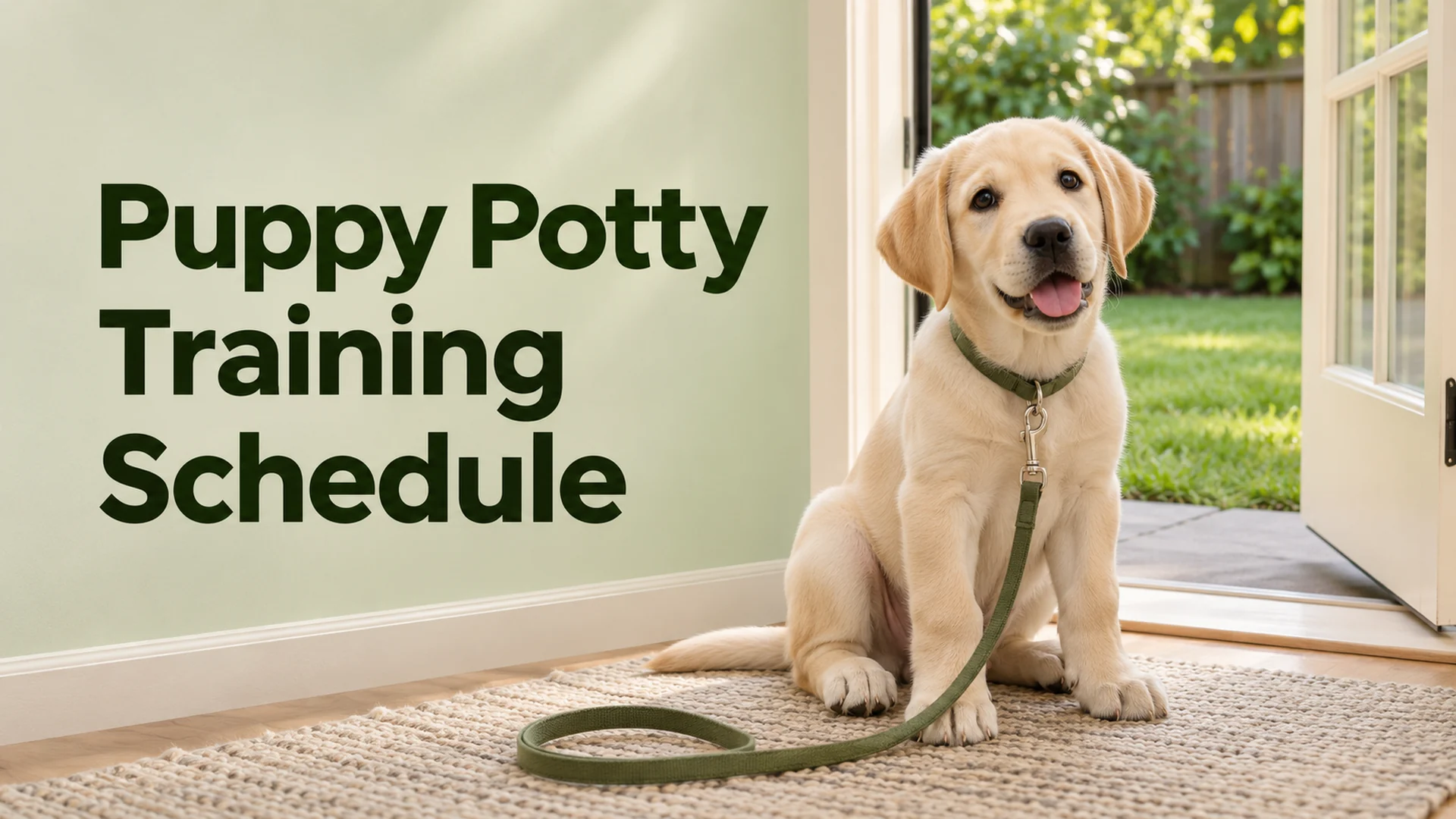
A voluntary sit can become an easy way to ask for attention or begin a calm game. It should not be a requirement that delays a needed toilet trip, access to water or relief from something frightening. Our puppy potty schedule helps organize urgent routine needs, which are separate from a practice opportunity.
PetMira’s care encyclopedia can help you prepare a specific everyday training question, such as how to simplify a lure or reward a shorter response. Use the reading to plan a small adjustment, then judge the puppy’s comfort and behavior in the actual session. The app does not inspect a sitting posture or rule out pain, and individual feedback belongs with a qualified professional.
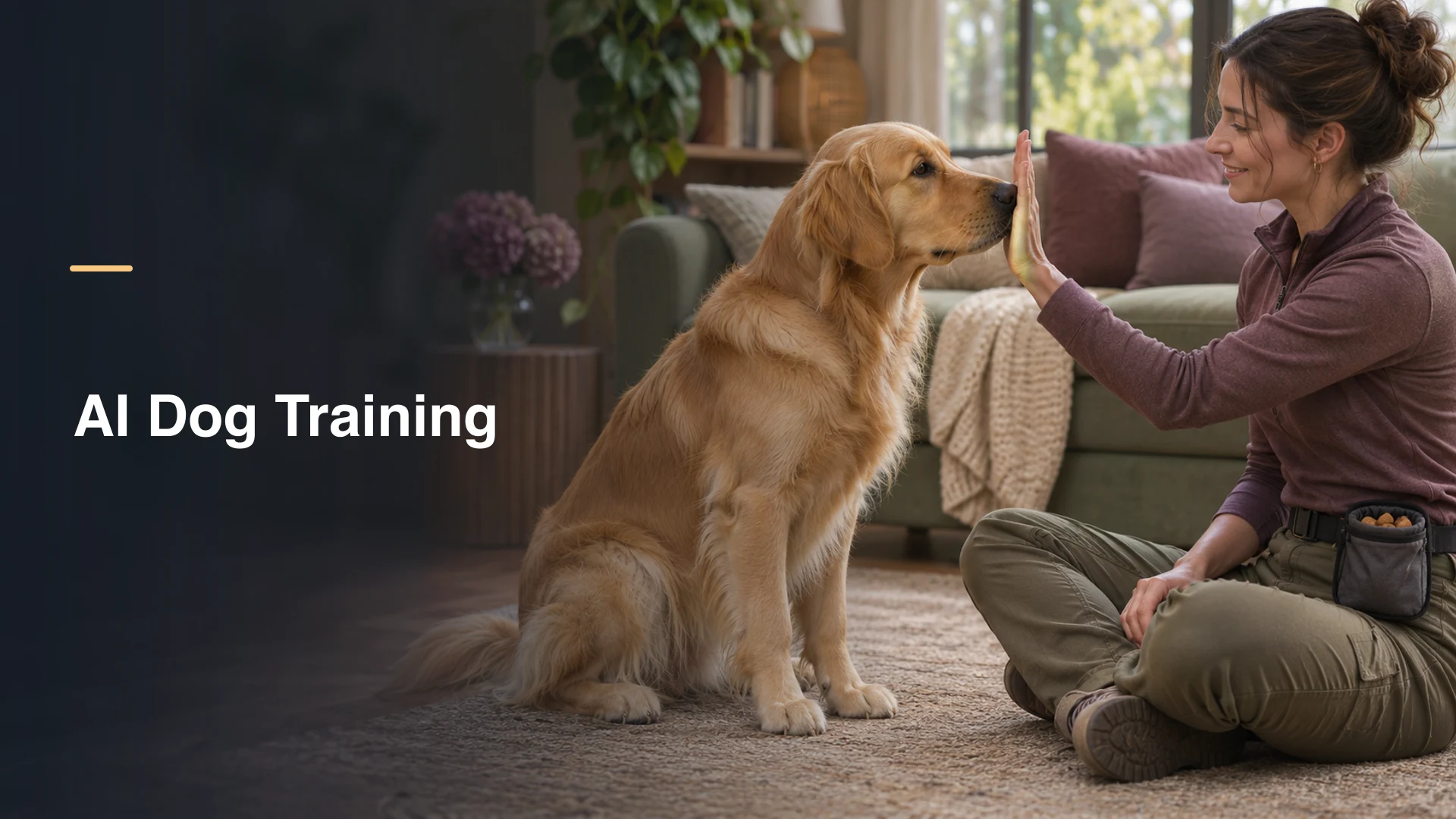
If you use an AI planning tool, check that each suggestion preserves voluntary movement and a clear reward. The AI dog-training guide covers evaluating those plans; a confident instruction to hold or push the puppy is still an instruction you should reject. A basic sit does not need force or a complicated daily drill to become useful.
End with a sit the puppy can understand
Choose luring or capturing, reward the seated moment and make the signal clear before adding time or distractions. PetMira can support preparation for routine practice, while discomfort needs veterinary advice. Finish with a manageable repetition and a release, so the puppy leaves knowing what earned the reward.
Everyday care with PetMira
Make the next cue easier to learn
Use PetMira’s care encyclopedia and AI Q&A for everyday training preparation, keeping the puppy’s comfort and your reward timing central.
 Explore the care encyclopedia
- Ask a focused everyday care question
- Use guidance alongside real-world observation
Available on iPhone. AI-generated information is for educational reference.
Download iOS App