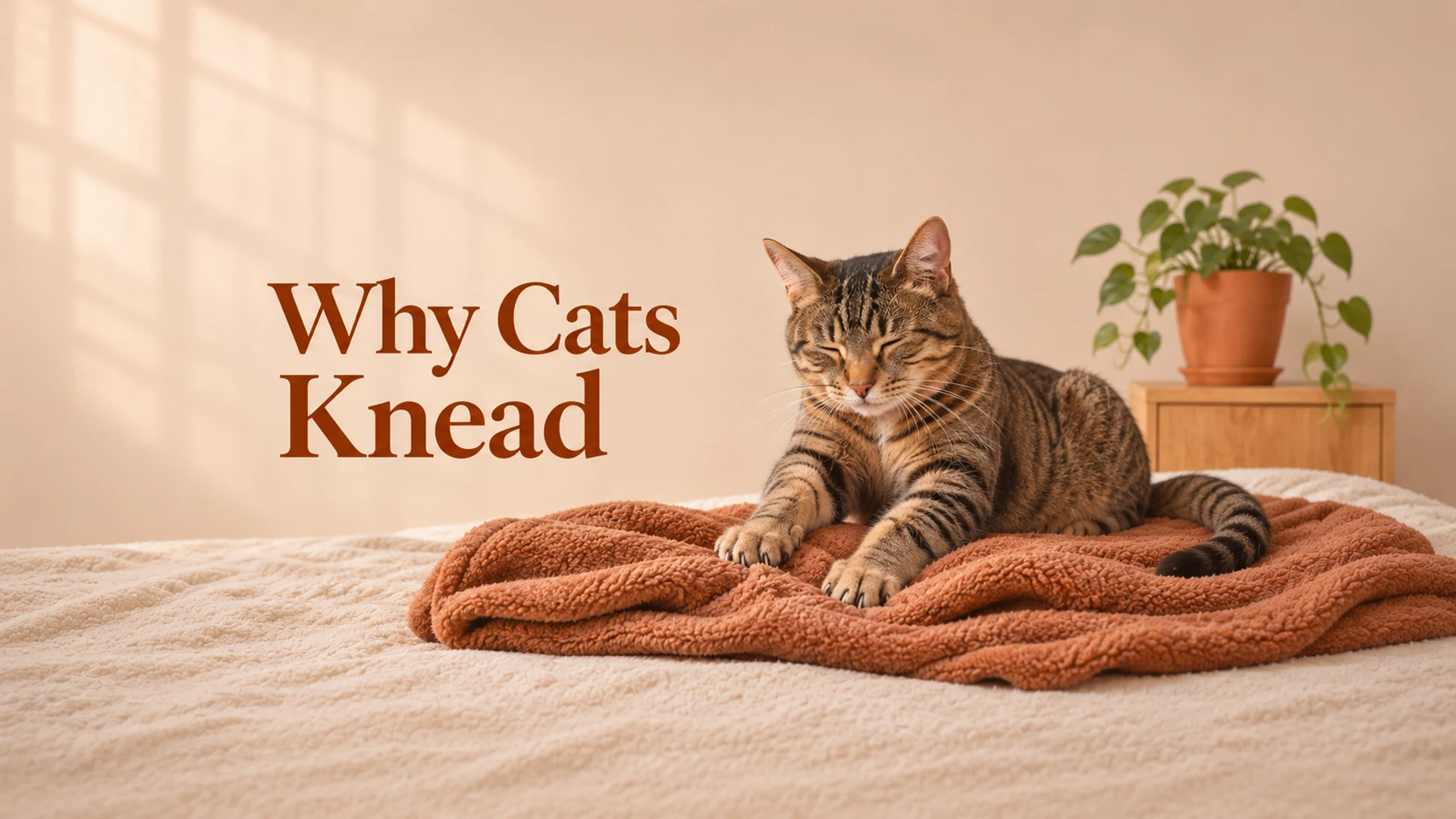
Cats knead by alternately pressing their front paws into a surface, often a blanket, bed, or person's lap. The movement begins in nursing kittens and commonly continues into adulthood, especially while a cat settles somewhere comfortable. Adult kneading has several possible explanations, including a familiar soothing routine and scent communication. It does not prove that a cat was weaned too early, and it is not something you need to stop simply because it looks kitten-like.
If kneading is comfortable for both of you, let the cat settle. If claws make it painful, protect your lap with a thick blanket or offer a nearby soft surface before the cat begins. Avoid pushing the paws down, shouting, or holding the cat in place. You can change where the kneading happens without punishing an ordinary behavior.
Recognize kneading before explaining it
During kneading, one front paw presses while the other lifts, creating a repeated alternating motion. Some cats extend their claws; others keep them mostly withdrawn. A cat may purr, rest their head, or move straight into sleep afterward. Those details describe the episode, but none is required for every cat. Quiet kneading without purring can be as ordinary as a louder settling routine.
Scratching a post is a different action with a different surface and movement. A cat gripping and pulling at upholstery may be scratching rather than kneading a resting spot. Watch what the paws actually do before choosing a solution. A blanket may protect your lap from kneading, while appropriate scratching furniture addresses a different household need. The cat characteristics guide explains the role of paws and claws in ordinary movement.
Kneading also differs from repeated pawing at a painful area or difficulty placing a foot. If the movement is new, uneven, or accompanied by reluctance to walk or jump, ask your vet rather than fitting it into a comforting behavior story. Do not manipulate a paw to see whether the cat can perform the motion again. Observations from normal activity are enough to start that conversation.
Why kitten kneading can remain an adult habit
Kittens knead against their mother during nursing. Adult cats may retain that familiar action when they settle on a soft surface or beside someone they know. This connection is a plausible explanation for a soothing routine, rather than a way to recover an individual cat's history. You cannot work backward from an adult making biscuits to the exact age or circumstances of weaning.
Other explanations commonly discussed by veterinary and welfare organizations include preparing a comfortable resting place and leaving scent from glands in the paws. More than one influence may be present, and an observer cannot confirm the purpose of every press. There is no need to decide which theory wins before making the cat's resting place comfortable and protecting your skin from sharp claws.
Notice what predicts the routine for your own cat. A particular fleece may bring it on, while a firm cushion does not. Another cat may knead only when a familiar person sits in a certain chair. Those patterns give you practical options for providing an acceptable surface. They do not mean the blanket or person has one fixed meaning in the cat's mind.
When your lap becomes the kneading surface
Prepare before the cat climbs up if possible. Keep a washable, tightly woven blanket within reach and place it across your legs. It should provide a comfortable surface without loose threads that tempt chewing or catch claws. Let the cat step onto it voluntarily. A blanket that moves or slides unpredictably can make settling more awkward, so support it on a stable lap or seat.
If a claw catches while the cat is already kneading, avoid a sudden yank that tightens the fabric around it. Pause your movement and calmly end the encounter if you can do so without restraint. Offer a stable surface beside you for the cat to step onto. Do not pull individual toes or force the paw open. Ask a veterinary professional or groomer for help if nails repeatedly snag or you are unsure about safe nail care.
You do not have to tolerate painful contact to preserve your bond. An alternative bed immediately beside you can provide the same company without paws on bare skin. Place the familiar blanket there before your usual sitting time. If the cat chooses that spot, allow them to knead and rest without repeatedly reaching over. A cat can enjoy proximity while you both have a more comfortable position.
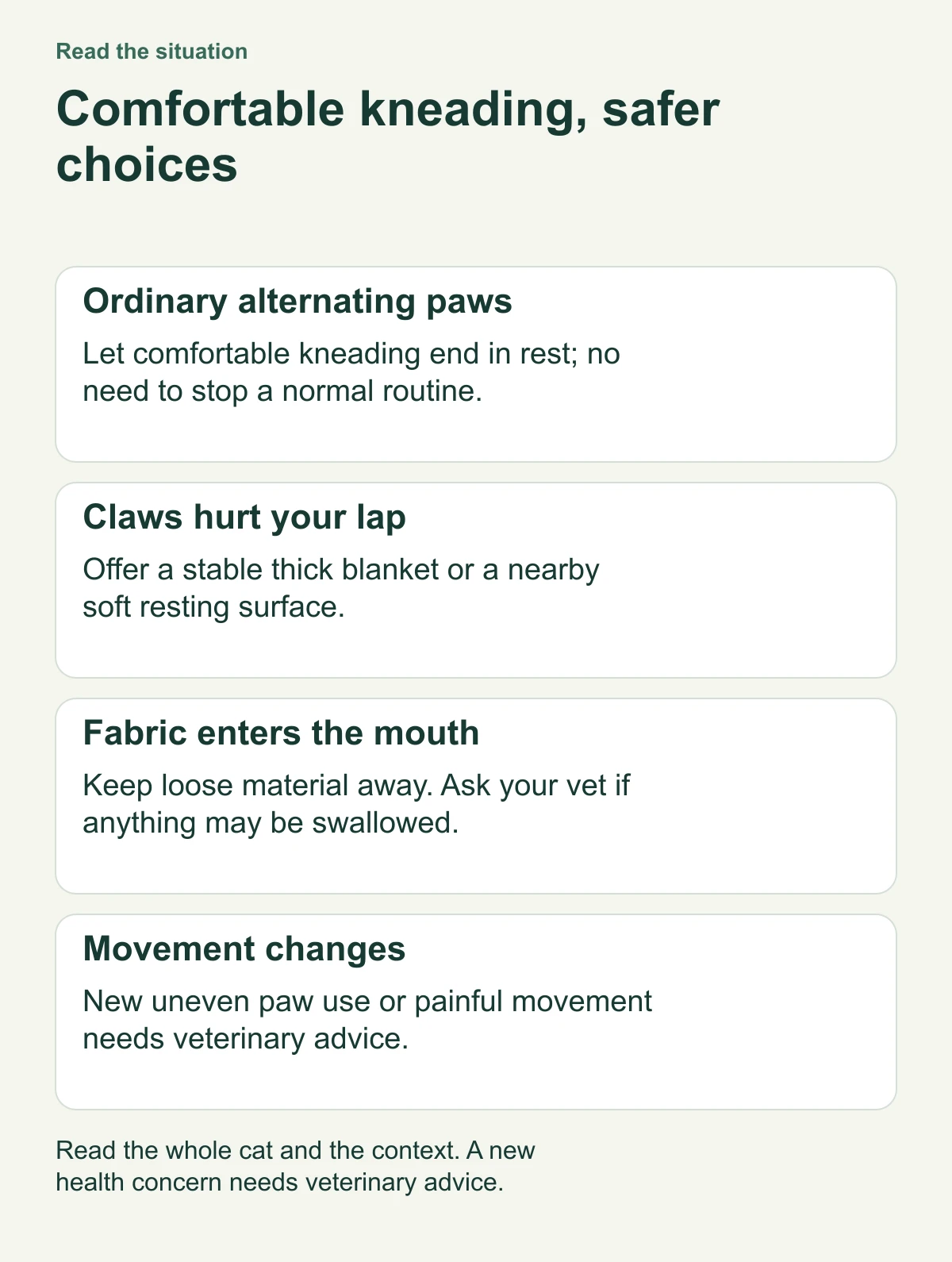
What makes kneading difficult | Change to try | What to avoid |
|---|---|---|
Claws on your lap | A stable, thick blanket | Holding the paws down |
A fragile cushion | Offer a washable resting surface | Punishing after damage |
Loose fabric in the mouth | Remove access and seek advice if swallowed | Assuming chewing is harmless |
Sudden uneven paw use | Contact your veterinarian | Repeatedly testing the foot |
Kneading, suckling, and chewing need different decisions
Some cats knead while suckling on a blanket or another soft object. The important next question is whether material is being chewed off or swallowed. Keep loose yarn, strings, and unraveling fabrics out of reach. If your cat is ingesting fabric, contact your veterinarian for advice; do not treat it as simply an extra affectionate version of making biscuits.
If you suspect something has already been swallowed, tell the vet what the material was and when it happened. Vomiting, poor appetite, or a cat seeming unwell makes prompt advice especially important. Do not wait to collect a perfect recording or pull on string protruding from the mouth or elsewhere. A professional can advise you on the safest response for the situation.
For a cat who only kneads an intact surface and then rests, there may be nothing to fix. Still, check the bedding regularly and replace worn material before it unravels. Keep the resting area available without forcing the cat to use it. A familiar surface can be offered as an option; it should not become a place where the cat is confined until they settle.
Observe a changing routine without turning it into a diagnosis
If kneading suddenly becomes much more frequent or comes with unusual restlessness, note what changed in the home and in the cat's ordinary activities. A new blanket, altered seating arrangement, or change in daily company may affect when you see it. Persistent behavior changes deserve a discussion with your vet, especially alongside changes in appetite, movement, grooming, or rest.
PetMira's care questions can help you organize a general question about a new routine, using the concrete details you observed. Describe the surface, timing, paw action, and whether material enters the mouth. Keep the app's guidance separate from a veterinary assessment. If your cat is unwell or may have swallowed fabric, call your vet first rather than waiting for a digital answer.
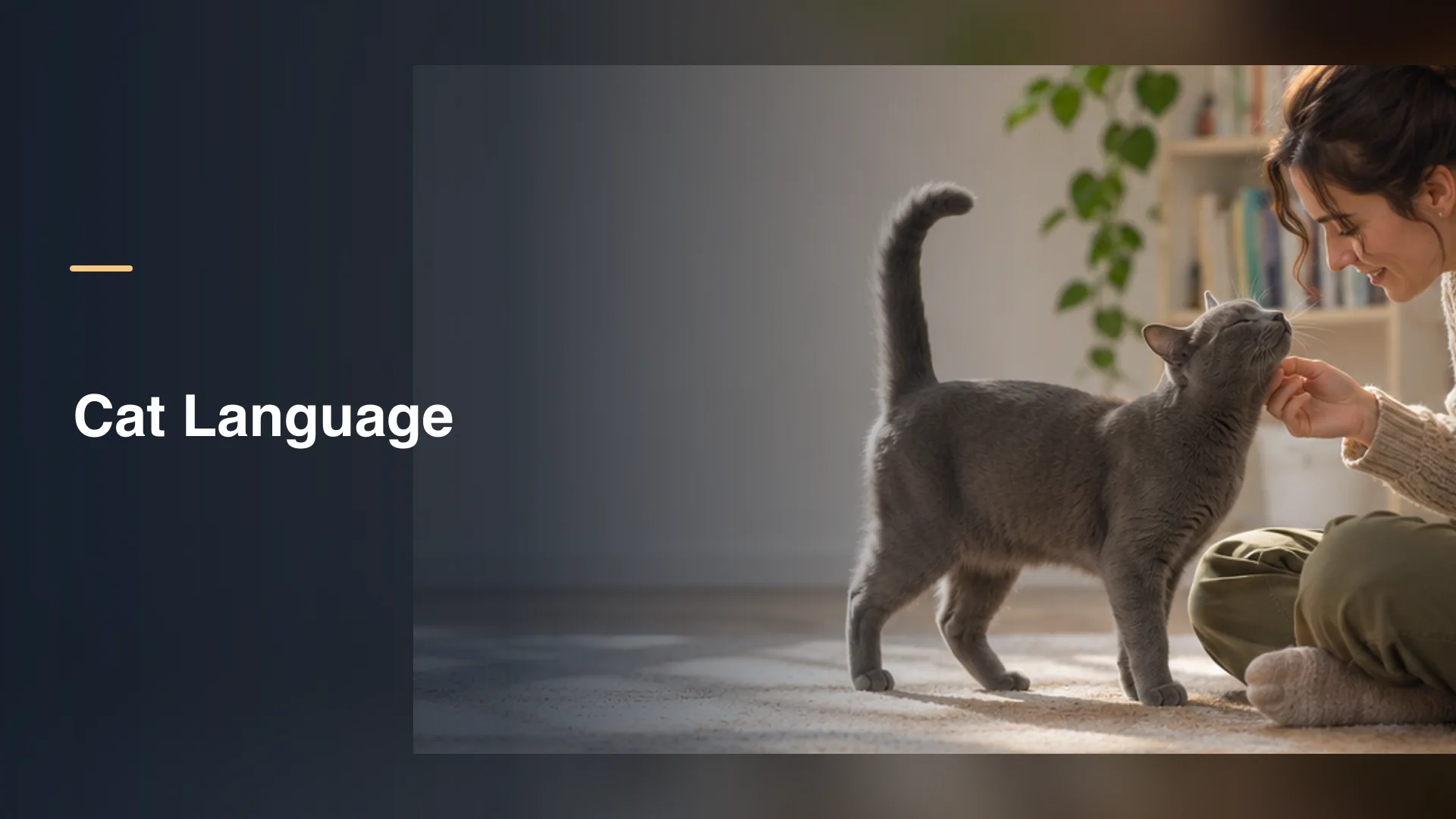
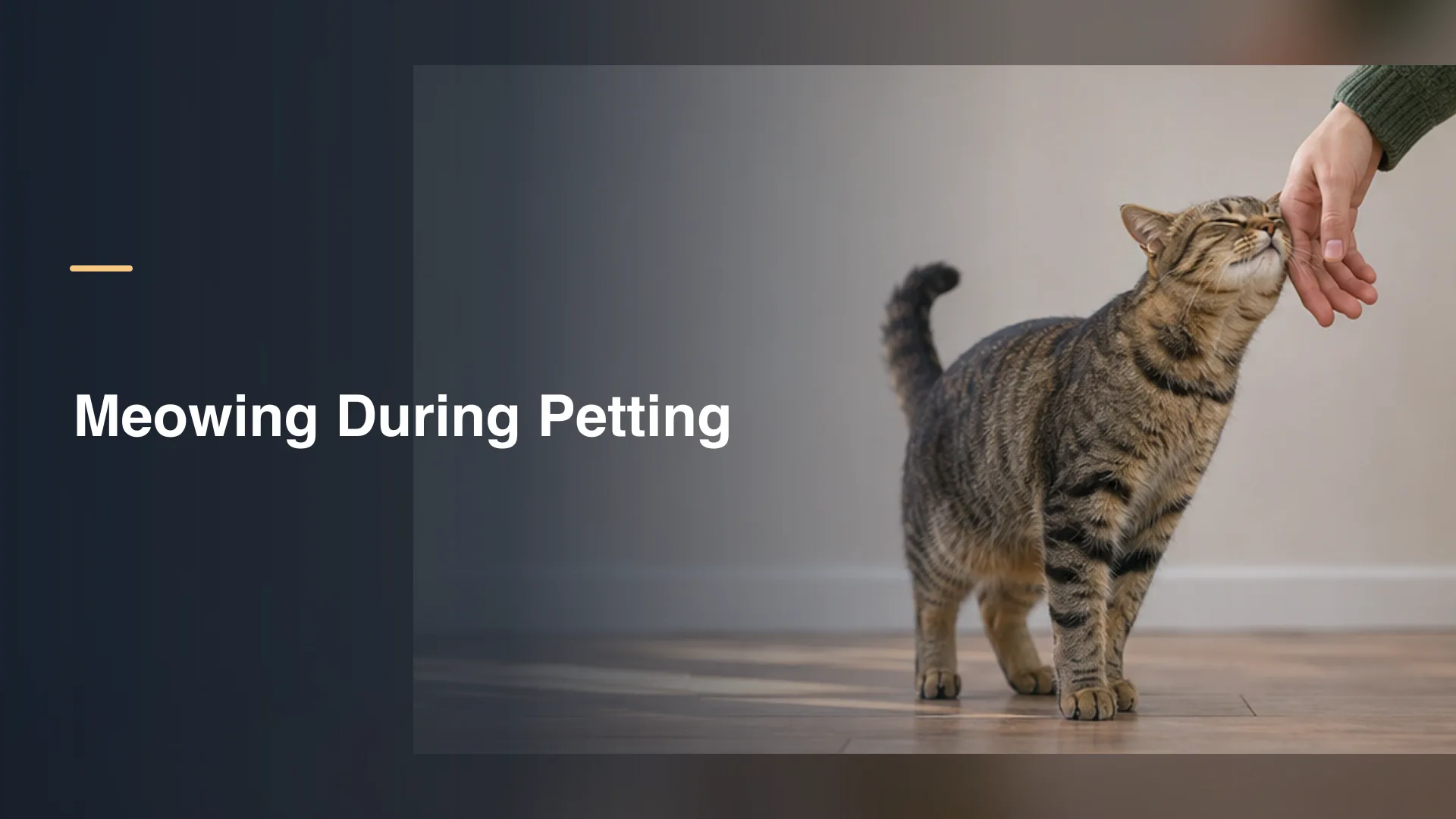
Read the rest of the encounter too. The cat language guide can help you notice whether the body stays comfortable, and the petting response guide addresses changes when your hand joins the situation. Kneading on your lap does not require continuous stroking.
A comfortable outcome is enough
Ordinary kneading can remain part of your cat's settling routine without a definitive explanation for every episode. Offer a suitable surface, protect your skin, and let the cat choose where to rest. Treat material swallowing, painful movement, or a new persistent change as separate concerns that deserve veterinary advice.
PetMira for iPhone
Organize a question about your cat's routine
Use PetMira's AI care questions to organize a general question about a familiar behavior. Include the surface and what actually happened; suspected swallowing or illness needs a vet first.
 A digital profile for your cat
- Photo-based care logs
- AI care questions in one place
Available on the App Store. Guidance supports observation and does not replace veterinary care.
Download iOS App