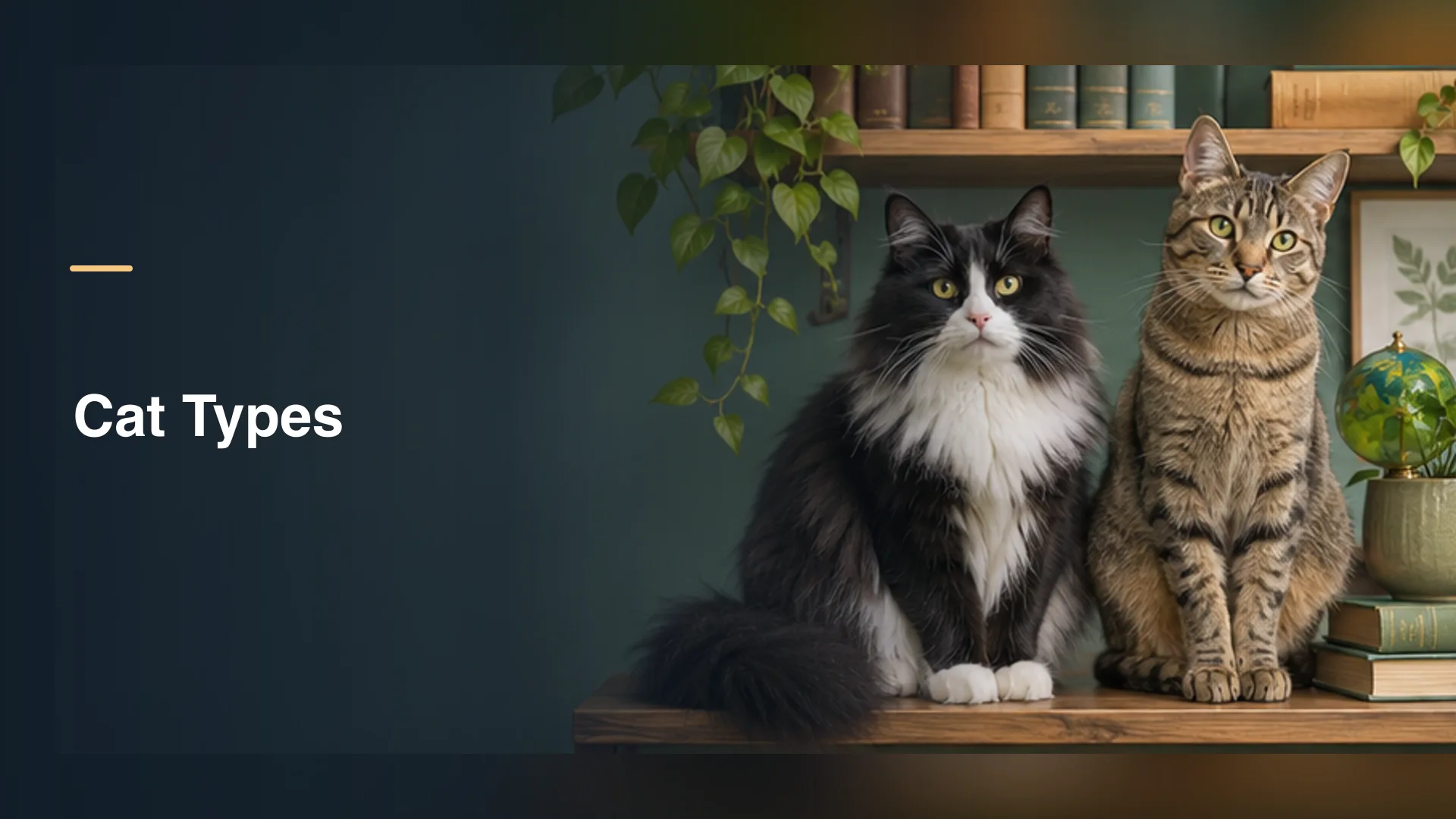
The best cat breed for you is the one whose likely care needs fit your household, and the best cat for you may be a mixed-breed adult whose habits are already known. Start with three questions. How much interaction can you offer on a normal weekday? How much grooming and play will you take on? What has the specific cat shown around people, pets, and everyday noise? Your answers give you a better shortlist than a popularity ranking.
Start with the household you actually have
Think about the week when work is busy, nobody wants to clean, and a neighbor knocks while you are on a call. If you want a cat to share a room with you while you work, ask whether the cat tends to settle nearby or keeps asking you to engage. Someone who enjoys frequent interaction may like an expressive cat. Someone who spends a lot of time in meetings may be happier with a cat whose foster has seen it settle quietly during an ordinary day.
Decide which routines you can share. Brush time only counts if someone in the household will actually do it. Daily play, litter care, and regular vet visits go on the same list. If you like longhaired cats but do not want to handle tangles, take the issue seriously before falling for a photo. Many shorthaired cats are easy to brush, and their energy and tolerance for handling still vary from one cat to the next.
Your situation | Where to start | What to verify in person |
|---|---|---|
A quiet home and a busy calendar | A fostered adult | How it settles when people are occupied |
Lots of time for interaction | A Siamese or a social adult | How often it calls or asks people to play |
You enjoy grooming | A Ragdoll or Maine Coon | Whether it tolerates brushing and where the coat mats |
A dog or young children already live there | A cat with relevant home history | Distance, hiding, and recovery after movement or noise |
Size or budget is a concern | A fully grown cat | Actual adult size, diet, and documented care needs |
Where specific breeds fit
British Shorthair for someone who likes a dense short coat
A British Shorthair has a compact frame and a dense short coat. The Cat Fanciers’ Association describes a coat that generally needs modest grooming, so it can be a sensible starting point for someone who likes regular brushing without the work of maintaining a longer coat. A quieter reputation will not tell you what a particular cat does when a stranger visits. Ask whether it usually chooses a lap, a spot on the sofa, or time in another room. Those are different experiences for an owner who imagines close contact all day.
Siamese for someone who wants an interactive cat
A Siamese often appeals to someone who enjoys a cat that seeks interaction and vocalizes. Work out what that looks like in your space before deciding. A chatty companion may be welcome in a detached house with people around. The same calls could be disruptive during meetings or through a shared wall. Ask what a particular cat does once the morning routine ends. An observed pattern at home is a better basis for that decision than a breed label on a profile.
Ragdoll or Maine Coon for a household ready for a longer coat
Ragdolls have a semilong coat, and Maine Coons have a longer, textured coat and substantial frames. A larger cat may need a roomier carrier, more space to turn in its litter box, and a sturdy place to climb or rest. Compare the individual cat’s build and proportions. Ask the current caregiver what regular grooming actually involves and how the cat responds to brushing around the legs or belly.
If a Ragdoll has a reputation for being mellow, still ask whether the particular cat enjoys being held and what it does when it wants you to stop. A cat can be sociable and prefer four paws on the floor. Give children a way to interact that respects that preference, such as a toy they can move at a comfortable distance.
A mixed-breed adult for priorities you can check today
An adult in a foster home may offer the clearest evidence about temperament, whether it has a pedigree or not. A good foster description can tell you what the cat does while people cook, when a door opens, or when the home is quiet. Ask for examples of what the cat does on its own initiative. If the caregiver has only seen the cat in a shelter room, ask what is unknown and how the organization handles follow-up after adoption.
Speak with the person who knows the cat
Replace labels like “good with kids” with a specific question. Ask, “Has the cat lived with a child who moves quickly or makes a lot of noise? What does the cat do, and how long does it take to come back?” For a dog household, ask about the dog the cat has actually met and whether there was a barrier. A calm meeting with one older dog leaves a big unknown about a young dog that chases. Plan a safe separate space and use the organization’s introduction advice.
The same applies to grooming and handling. Ask to see how the cat accepts a few brush strokes, if the caregiver thinks the setting is appropriate, or ask to see a familiar routine on video. If the cat hides during your visit, look for specific observations across more than one day. A brief visit with a stranger may show a different cat from the one the foster sees at breakfast. If you have another cat, ask whether this one has shared space, food areas, or resting places with a cat before. That answer gives you a better starting point for planning separate resources and a gradual introduction.
Get an example instead of an adjective If a profile says “low maintenance,” ask how the cat reacts to brushing, what play it initiates, and how it behaves while the household is asleep.
Make your shortlist small and test it
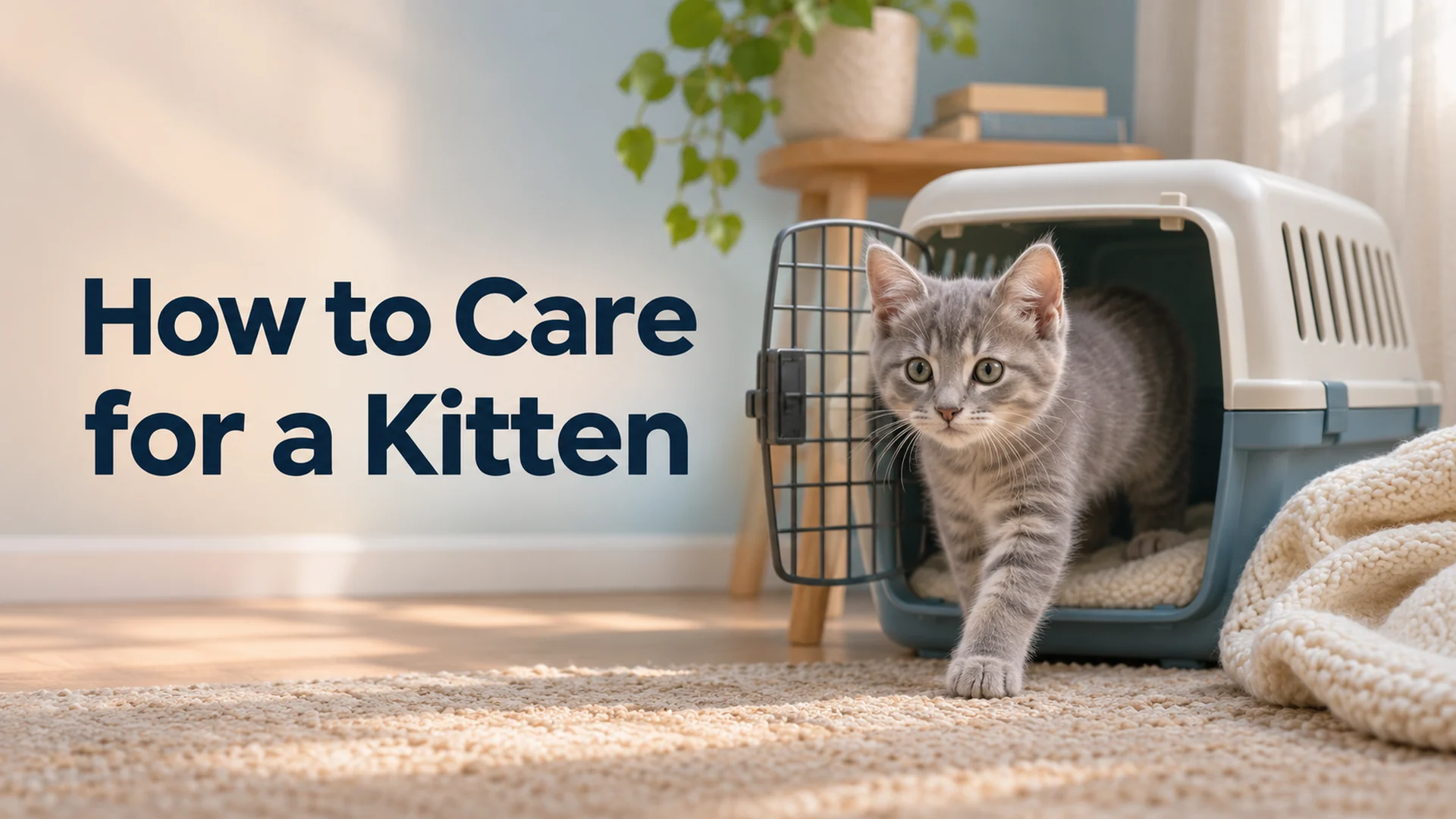
Imagine two or three candidates living through a typical week at your home. Decide what you would do if a long coat started tangling, a vocal cat called during a meeting, or a shy cat spent the first few days hiding. A kitten may suit someone ready for supervision, play, and new routines. If predictability matters more, meet an adult and ask about established habits. Our kitten care guide gives you a way to compare the responsibilities before choosing a life stage.
Once you know you can meet a cat’s needs, ask about its documented background if you are curious about the breed. If you’ve already adopted a cat and want to understand a visible trait, PetMira’s photo feature offers possible breed matches and information to explore. Make the adoption decision from the household fit you can verify. For a closer look at photo suggestions, compare how cat breed identification apps interpret visible features.
The takeaway
Narrow the options by daily interaction, grooming, and what the person who knows the cat can describe. Breed names help you decide what to investigate, while the actual cat’s routine tells you whether it fits your home. Meet the candidate and ask for one or two concrete examples before committing.
Once you know your cat
Explore your new cat with PetMira
On iPhone, take or upload a clear photo to explore possible breed matches. Keep a photo log of visible details such as your new cat’s coat and ears.
 Explore possible breed matches
- Log coat and ear photos
Use the app after adoption to learn about and observe the individual cat you brought home.
Download iOS App