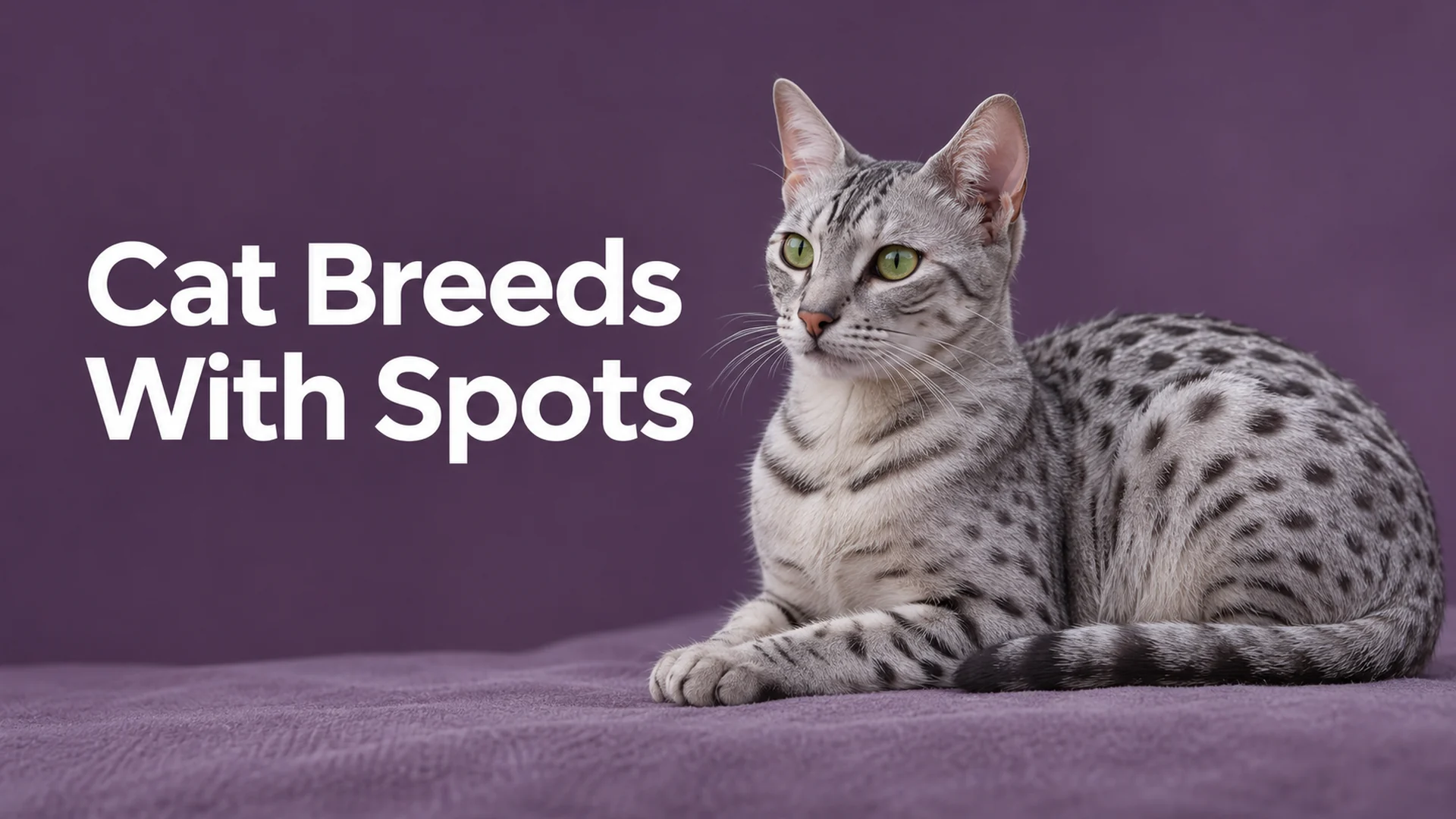
Egyptian Maus, Ocicats, Bengals, Savannahs, and Serengetis can all have spotted coats. A Mau often has dark spots of uneven shapes and sizes, while a Bengal may have rosettes with dark edges and lighter centers. Spotted tabby markings also occur in cats without a known pedigree. Start with the shape of the marks on the side of the body, then compare the overall pattern.
If you're looking at your own cat, you can learn quite a bit from that comparison. You might be able to describe the coat as silver spotted tabby or see why it reminds you of a Bengal. A coat match gives you a useful description and a breed to read about. Confirming ancestry takes evidence about the cat's family.
Compare Spots, Rosettes, and Stripes
Look for several marks in the middle of the flank, between the front and back legs. Small markings on the face, legs, tail, and belly may look different from the pattern along the sides. A cat with stripes on the legs can still have clearly separated spots on the body. The TICA coat-pattern guide shows how scattered spots and longer stripes look on different cats.
Start by tracing the edge of one dark mark with your eyes. A solid spot looks filled in, even when it is oval, elongated, or uneven. A rosette has a darker border around a lighter center. That border can be open on one side. If the dark marks run together in long, narrow lines down the flank, you're seeing stripes. Wide, flowing bands can be a different tabby pattern again.
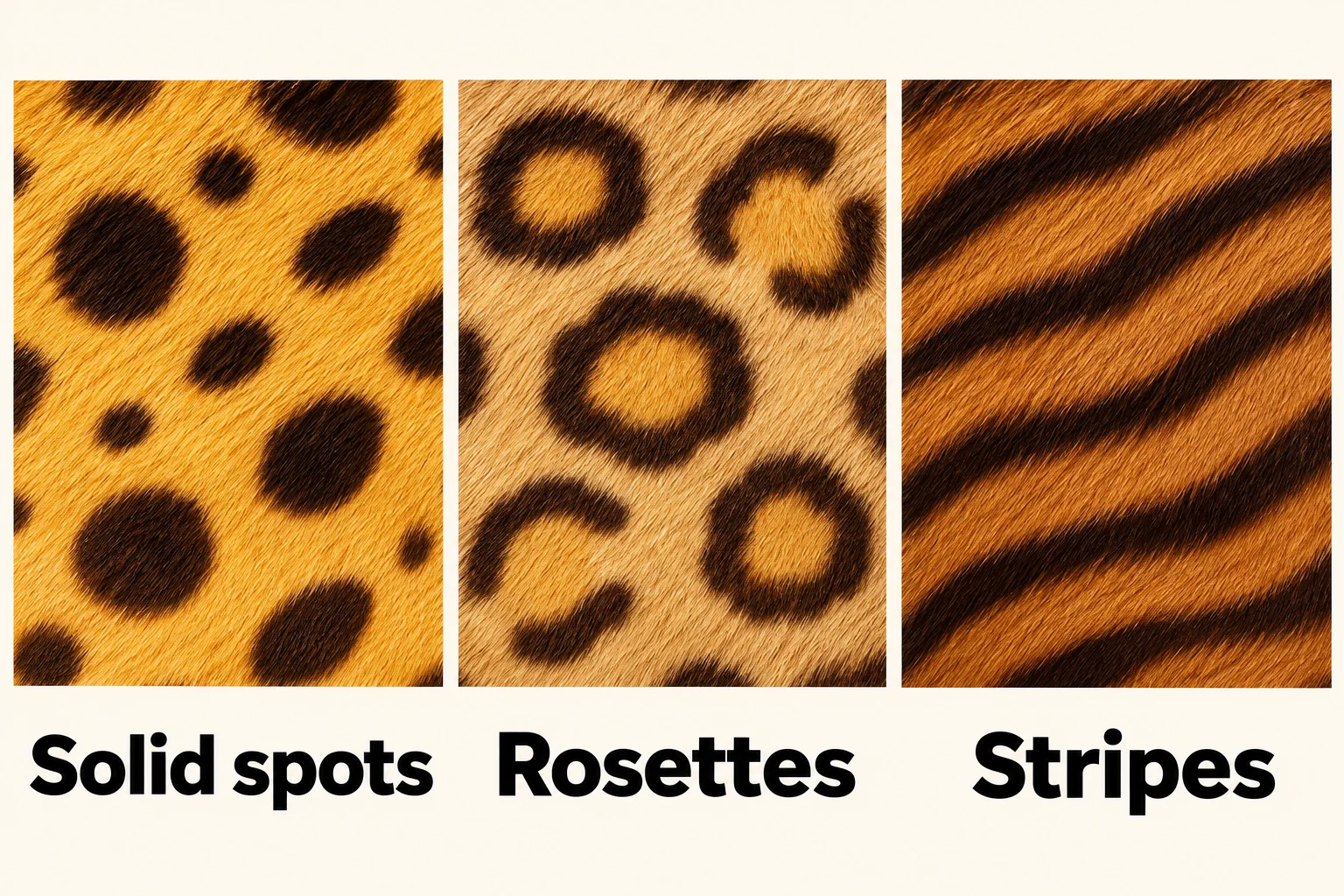
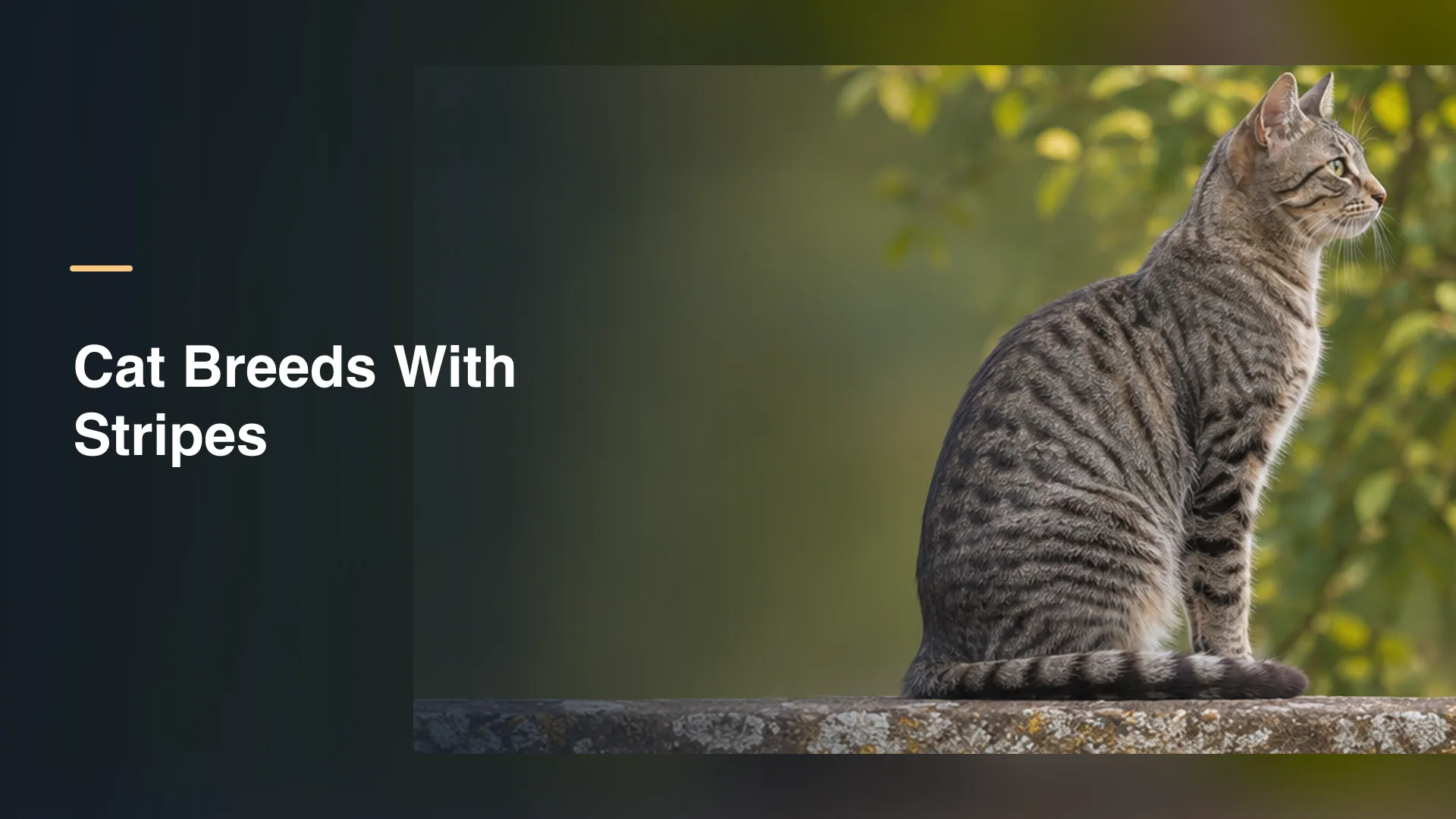
Look at the surrounding area before naming the coat. A stripe interrupted in one place can look like two spots in a tight crop. If most of the side shows separated marks, “spotted tabby” gives a clearer description. If one part looks spotted and another striped, you can describe both and leave the overall pattern open. If lines dominate the sides, compare striped cat breeds and mackerel tabby patterns.
Low contrast can make the distinction harder. On a pale coat, some edges disappear in a bright patch of sunlight. On a dark coat, several markings can blend together in shadow. If you're comparing an indistinct photo with a breed picture, keep the unclear marks out of the comparison until you can see them in even light.
Compare the same part of the coat If you're checking two photographs, compare flank to flank. A dotted belly or ringed tail can sit on the same cat as a striped or spotted flank.
Five Cat Breeds That Can Have Spotted Coats
The Cat Fanciers’ Association comparison illustrates the different spotting on Egyptian Maus, Ocicats, and Bengals. The table adds Savannahs and Serengetis, which are described in TICA's breed profiles. The body clues can help you compare photographs. Cats of different backgrounds can share those features.
Breed | Look at the flank | A second clue |
|---|---|---|
Egyptian Mau | Distinct dark spots with varied shapes and sizes | Notice the contrast on silver, bronze, or smoke coats. |
Ocicat | Solid spots that can form a bull’s-eye arrangement | Look for a central spot with other spots around it. |
Bengal | Solid spots or darker-edged rosettes | Compare the borders and centers of several marks. |
Savannah | Solid dark spots on the spotted coat | Very large ears and long legs are part of the look. |
Serengeti | Distinct, widely spaced spots on the spotted coat | Look at the upright stance and large, round-tipped ears. |
Egyptian Mau
On an Egyptian Mau, the individual spots can be round, oval, or irregular. Look for the difference in size from one mark to the next. The markings can stand out sharply on a silver coat. A bronze coat gives the dark marks a warmer background, and a smoke coat may show the pattern more subtly. Silver color alone tells you little because other spotted cats can have a pale background too.
If the markings you’re comparing run along the back, look down the side again. The Mau standard describes bands on the neck and more elongated markings along the spine. Seeing a line there can fit the same coat that shows separated spots lower down on the flank.
Ocicat
The Ocicat's flank can show an arrangement like a bull’s-eye. Look for a solid spot surrounded by other separate spots. The center of the arrangement is one mark, with lighter coat between it and its neighbors. That differs from a Bengal rosette, where the light and dark parts belong to a single mark. The difference is easiest to see in a well-lit side view.
Bengal
Some Bengal spots have a darker rim with a lighter interior, sometimes in a ring or a shape that looks like a paw print. Other spotted Bengals have solid marks, so the absence of rosettes leaves the question open. Bengals can also have marbled coats, with a broad flowing pattern instead of separate spots. The breed's coat range matters if you have only seen photographs of the strongly rosetted variety.
Savannah and Serengeti
A spotted Savannah can look tall through the legs with very large ears and a short coat marked by solid spots. A spotted Serengeti can also have long legs, large ears, and distinct dark spots. The Serengeti's upright stance and round-tipped ears are useful points of comparison in TICA’s Serengeti profile. Those traits can overlap in photos. For example, a low camera angle may exaggerate the size of both cats' ears. Let the overall build add to the comparison while keeping the ancestry question open.
What If Your Spotted Cat Looks Like More Than One Breed?
Suppose your cat has large dark spots on a warm brown coat. The first comparison you find might be an Ocicat, while another photograph makes you think of a Savannah. Go back to the actual marks. Are they filled in or outlined? Are several spots arranged around a central one, or are they scattered more evenly? Then check for other visible details, such as ear shape and body proportions. If the photographs still look similar, you've reached the useful limit of the visual comparison.
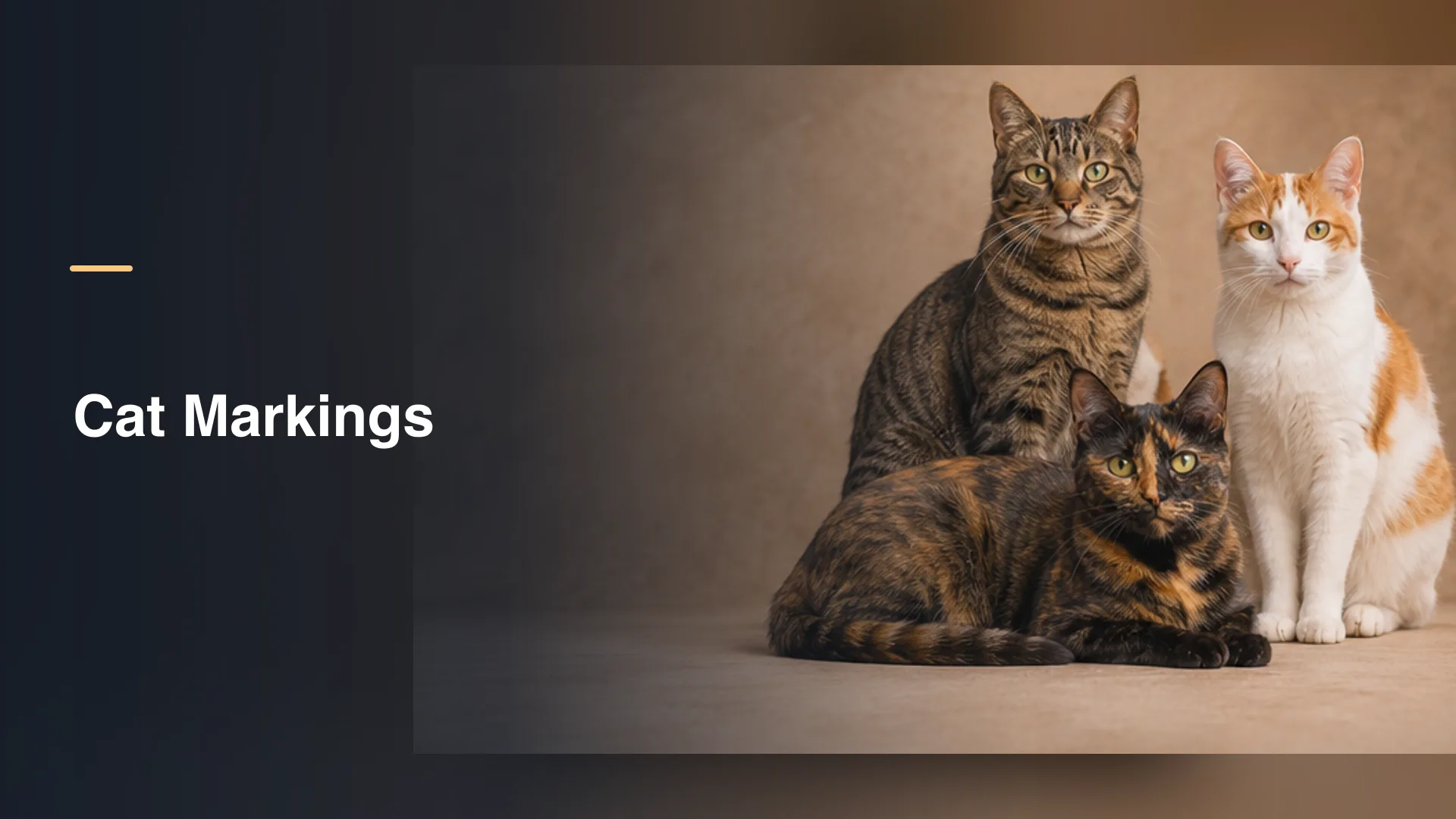
Even a striking pattern can show up in a domestic cat whose ancestry is unknown. If you need a description for a shelter profile or a sitter, try “brown spotted tabby with a dark tail tip” or “silver spotted tabby with dark rings on both front legs.” A description gives someone several things they can check. Keep any suggested breed separate from what you can see.
If the description is for someone who needs to recognize your cat, add where the most noticeable spot sits. “Large dark oval behind the left shoulder” is easier to check than “leopard pattern.” Describe both sides if the markings differ. That extra detail can help someone distinguish your cat from a similarly colored spotted tabby.
If you're curious about more lookalikes, PetMira’s iPhone app can suggest possible breeds from a clear photo. Use the names to compare details you can see, such as whether the spots have a lighter center or how they are arranged. If the match comes down to the coat alone, keep the coat description and leave the breed open.
Takeaway
Start with the flank and look for filled spots, darker-edged rosettes, or stripes that continue across the coat. Compare several markings and the cat's overall build before choosing which breed profiles to read. If the family history is unknown, a specific coat description is still an answer you can use.
PetMira for iPhone
Compare your cat’s visible traits
Use a clear photo to see possible breed lookalikes, then compare their coats and features with what you can see.
 Take or upload a photo
- Explore possible matches by appearance
Available on the App Store
Download iOS App