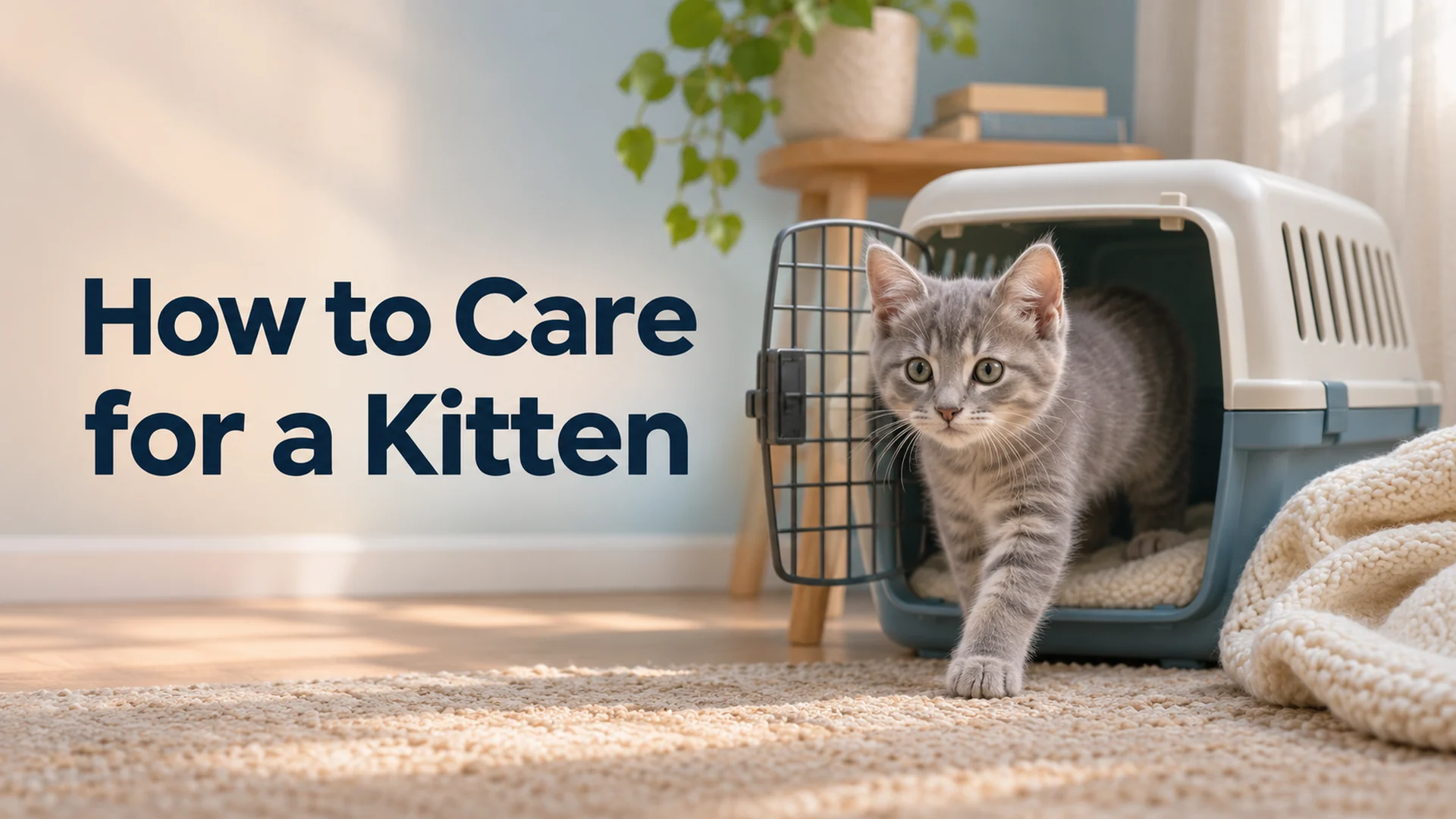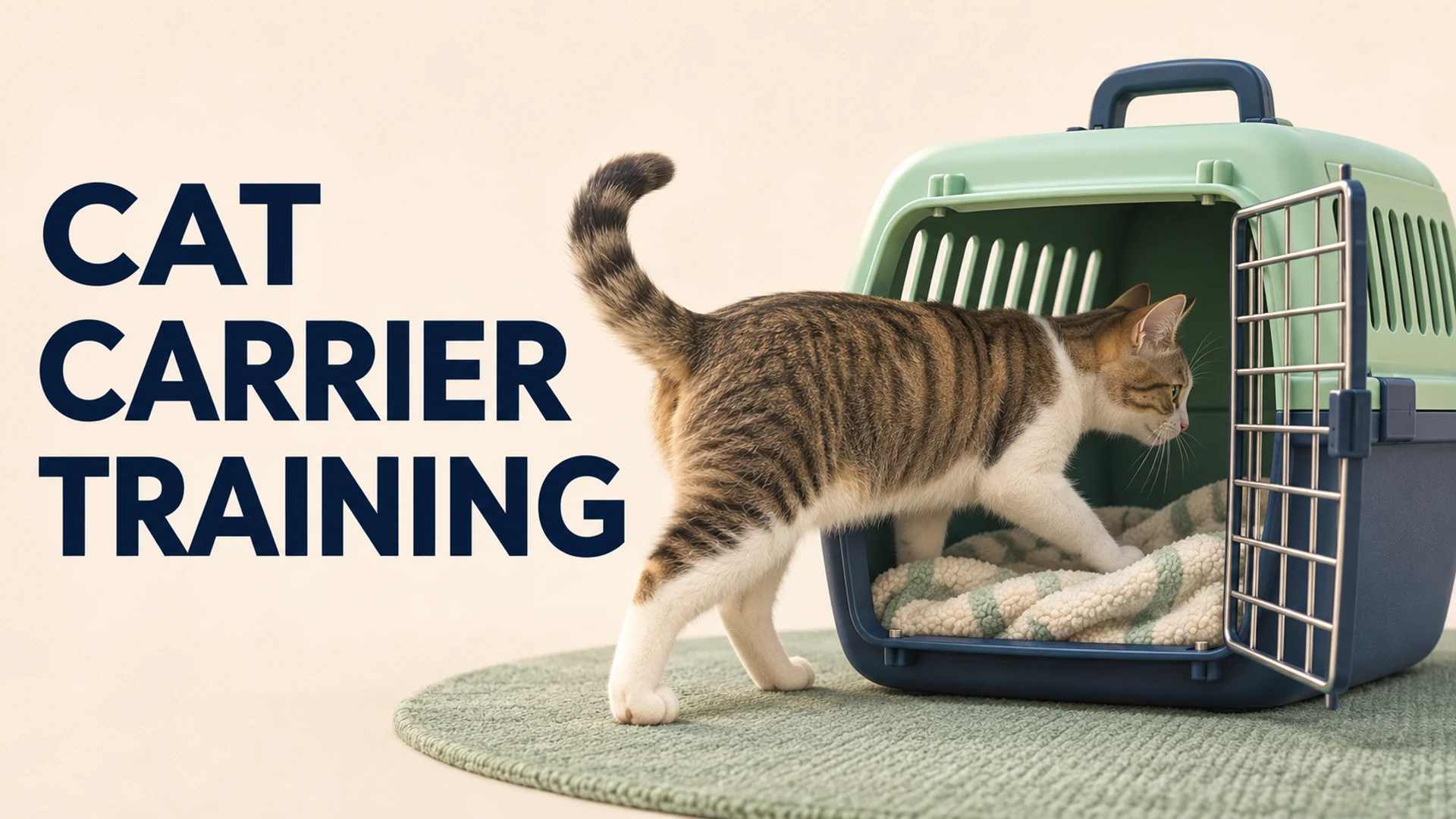
To carrier train a cat, make the carrier a familiar place and reward voluntary approach and entry before adding door movement, closure, lifting or travel. Change one challenge at a time and return to an easier step if your cat becomes tense or repeatedly leaves. Progress is comfortable, repeatable participation, not simply getting the door shut once.
This is preparation for future travel, not a reason to delay needed veterinary care. If an appointment is urgent, your cat is injured or handling feels unsafe, contact the clinic for an individual transport plan. Do not attempt to complete a gradual training process in one difficult session or give medication without veterinary instructions.
Choose a carrier you can use for the whole process
Use a secure, well-ventilated carrier appropriately sized for your cat to rest and change position comfortably. Check doors, fastenings and the condition of the base. A removable top can make some training and veterinary handling easier, but only disassemble and reassemble the carrier as its design allows. A damaged latch is a transport problem, not something training will compensate for.
Leave the carrier in a quiet, accessible part of the home with suitable familiar bedding. Secure an open door so it cannot swing unexpectedly. If the top comes off, an open base may be an easier starting arrangement for a reluctant cat. Keep the eventual full carrier available for practice rather than relying on a much smaller demonstration container.
Choose a location that does not block essential resources or a cat's only retreat. Another pet repeatedly investigating the opening can make entry harder. Arrange separate practice where necessary. The cat language guide can help you compare loose voluntary movement with a pause, freeze or retreat as a person or object approaches.
Reward an approach before expecting an entry
Begin at a distance where your cat can notice the carrier without avoiding the room. Reward a comfortable look, a step toward it or voluntary investigation using something the cat enjoys. Place the reward where the animal can take it without being cornered. If they will not approach, reduce the challenge rather than holding the reward farther inside until hunger wins.
Keep ordinary feeding available. Food can be part of practice when it fits the cat's diet, but a reluctant animal should not have to enter a frightening space to obtain all nutrition. Treats count within their normal allowance. Ask your veterinary team about suitable rewards if your cat has a prescribed diet or health condition that affects feeding.
Repeat an easy approach until the cat can do it comfortably under ordinary conditions. End before tension builds, even if that means the session consisted of walking near the carrier and leaving. You are building a place the cat can choose to revisit. A rushed first entry can create a door-closing opportunity while teaching the animal to avoid the next one.
Stage | Ready to progress | Make it easier if |
|---|---|---|
Approach and entry | Investigates or enters voluntarily | Avoids the area or reaches then retreats |
Door movement | Stays loose and can leave after reopening | Freezes, repeatedly exits or becomes tense |
Brief closure | Remains comfortable with the latch | Scratches, pushes or cannot settle |
Lift and travel | Handles earlier steps comfortably | Movement changes the response |
Make entry voluntary and repeatable
Encourage the next small action rather than jumping directly to the back of the carrier. A cat may place one paw in, step out and later try again. Allow that exploration. Move a reward only as far inside as the cat can comfortably follow, keeping your body to one side instead of blocking the exit.
Once the animal enters, let them come out again. Practice several manageable entries before treating time inside as a separate skill. Notice whether the cat returns voluntarily after leaving or begins avoiding the setup. A repeatable return provides stronger evidence of comfort than a single entry produced by surprise or pressure.
If you began with the top removed, add it as a new stage according to the carrier's design. Reassemble while the cat is elsewhere so the structure does not suddenly close around them. Go back to an easier approach if the enclosed shape changes their response. The progress you made with an open bed does not automatically transfer to a roof and doorway.
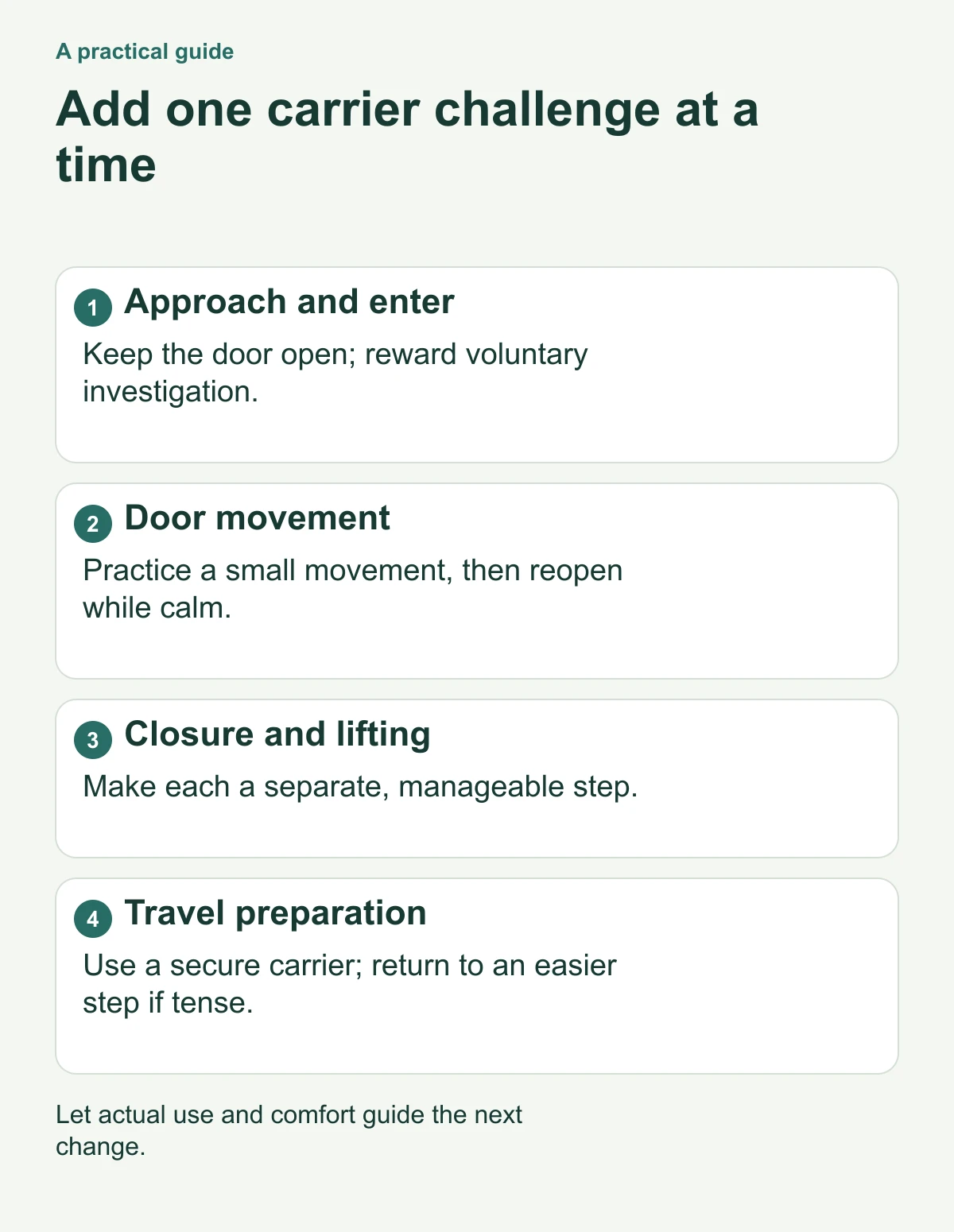
Change one challenge If you add the top, move the door and lift the carrier in the same attempt, you cannot tell which part was difficult. Return to a comfortable entry and introduce one change separately.
Teach door movement before a longer stay
Start with a small movement of the door while the cat is comfortable, then reopen it. Keep the action brief enough that the cat remains able to cope. If they immediately rush out, go still or become tense, make the next attempt smaller or return to entry practice. Do not interpret an animal freezing in place as agreement to continue.
Introduce a brief latch separately from extending duration. Stay nearby, watch the response and reopen while the situation remains manageable. You are not testing how long distress will last. Repeated pushing, scratching at the door or escalating agitation calls for stepping back and, when needed, professional guidance about a different plan.
Keep checking the hardware each time you reassemble the carrier. A loose fastening can matter later even if a practice session was calm. Before real transport, the animal must be safely contained according to the carrier's instructions. Training with the door open and traveling with a securely closed carrier serve different stages of the process.
Add lifting and travel as separate lessons
Practice the movement of the empty carrier first so you know how to support it without swinging or knocking it into furniture. With the cat comfortably contained, begin with a small lift and return to a stable surface. Follow the product's carrying instructions and support the base as appropriate. Avoid turning the handle into a swinging motion while you walk.
Build toward a short movement through the home, then the separate sights and sounds involved in vehicle travel. Do not assume comfortable entry means the cat is ready for a long journey. Secure the carrier in the vehicle in a manner appropriate to the carrier and vehicle instructions. Keep ventilation clear if using a cover, and never release the cat inside a moving vehicle.
After returning to a securely enclosed indoor space, give your cat a quiet chance to leave. Keep the carrier available afterward rather than making it disappear until the next appointment. If another cat reacts differently after a veterinary trip, separate safely and seek advice about reintroduction. Our kitten-to-cat introduction guide explains the value of protected, gradual contact in that particular relationship task.
When a veterinary visit cannot wait for training
Tell the clinic what your cat currently tolerates, the type of carrier you have and whether handling has led to bites or severe distress. Ask for a practical plan and follow it rather than improvising a restraint technique from a short description. A team may advise a different carrier, handling support or another individualized approach; those decisions require the animal's circumstances.
PetMira's care encyclopedia and AI Q&A can help organize a low-risk practice question between visits, such as separating entry from door movement. They cannot prescribe a sedative or replace an urgent handling plan. Keep the veterinary team's instructions and any necessary medication directions distinct from an AI-generated training suggestion.
Keep the carrier familiar between trips
Build voluntary entry first, then practice closure and movement as separate, comfortable steps. Keep the option familiar and notice when a new challenge requires an easier attempt. Your aim is safer, more manageable future travel; necessary care today still takes priority over completing the training plan.
Everyday care with PetMira
Prepare one manageable carrier step
Explore everyday training guidance in PetMira between visits, keeping voluntary entry, closure and movement as separate practice questions.
 Explore the care encyclopedia
- Ask a focused everyday care question
- Use guidance alongside real-world observation
Available on iPhone. AI-generated information is for educational reference.
Download iOS App